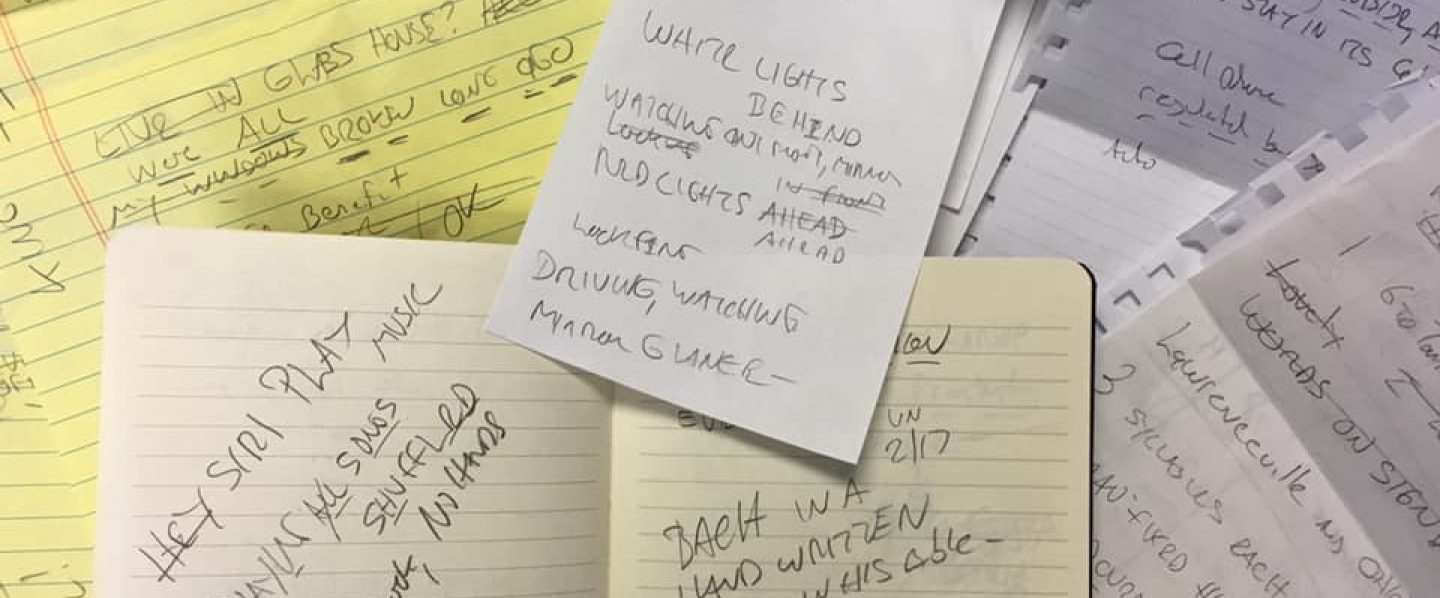
6.16.2021 – first and foremost my

first and foremost my
occupation is reader
not a thing wrong there

I was reading an interview with Fran Lebowitz and I loved when she stated that her occupation was ‘reader.’

Then later in the day I went back and looked for the quote and it is driving me nutz as I while I can find the article I was reading, I cannot find the quote.

What is odd is that the first line and third lines are there.

But not the one where she says her occupation is reader.

It bugs me that I cannot find it.

Because I love that line.

Who says your occupation has to provide money?

I have an occupation.

I am a reader.

I read.
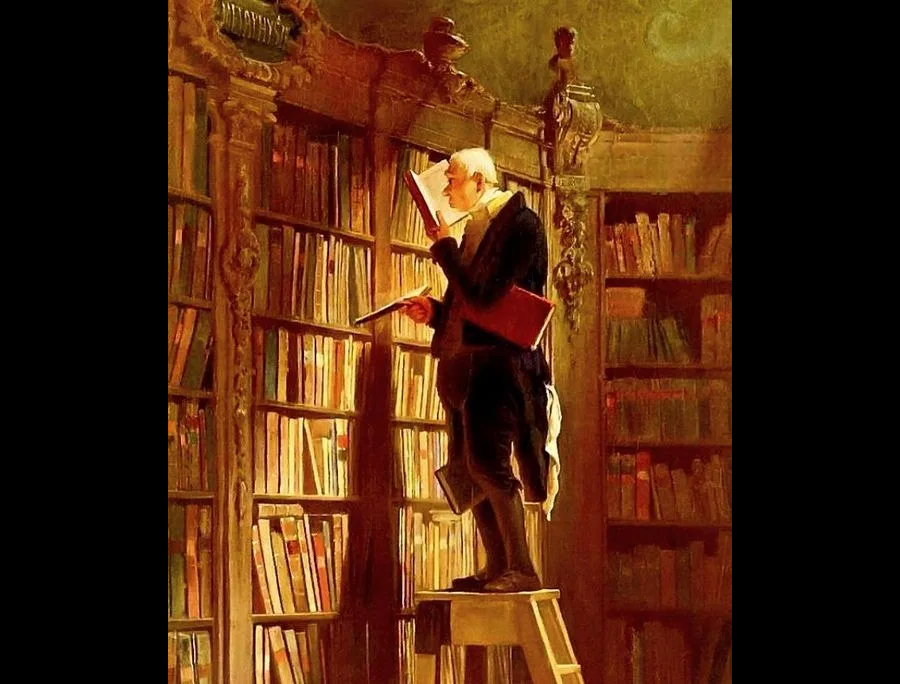
I am occupied with my reading or I am when I not occupied with being at the beach.

I design websites for money to pay for room and board and provide for my family.

As for my occupation, I am occupied with reading.

First and foremost!

And there is not a thing wrong with that.

I can’t wait for the next time I have to fill out paperwork for anything.

I had to change the last line around a little.

Not a thing wrong there.

In the article, Ms. Lebowitz had just commented, “I’m just finishing Cynthia Ozick’s new book (“Antiquities”). She’s a fantastic writer. This is a very short novel, especially in these days when novels tend to be 7,000 pages long.”

To which the author replied, “I’m glad you picked fiction, because I find as I get older, many of my peers say they can’t focus on fiction.”

Ms. Lebowitz replied as only she can, “There is something wrong with them.”

Kinda love that a lot.

Lesson today?

If your peers say they can’t focus on fiction, there is something wrong with THEM.

6.15.2021 – another story,

part our history
be re-created over
and over again

Based on a passage from My Life Through Food, (Gallery Books, New York, 2021).

The passage reads:

Losing a beloved family heirloom is a very real personal loss; they’re things that cannot ever be replaced or re-created.

But perhaps the most precious heirlooms are family recipes.

Like a physical heirloom, they remind us from whom and where we came and give others, in a bite, the story of another people from another place and another time.

Yet unlike a lost physical heirloom, recipes are a part of our history that can be re-created over and over again.

The only way they can be lost is if we choose to lose them.

For more on this book, please see the post 11.8.2021 – our history’s parts.

Please note, this post was NOT created on the date in the title.

6.14.2021 – shifting the focus

shifting the focus
of discussion to become
able handle talk

Adapted from the book, The Architecture of Happiness (2009, Vintage Books) by Alain de Botton, and the passage:

The advantage of shifting the focus of discussion away from the strictly visual towards the values promoted by buildings is that we become able to handle talk about the appearance of works of architecture rather as we do wider debates about people, ideas and political agendas.

According the The New York Review of Books, this is “A perceptive, thoughtful, original, and richly illustrated exercise in the dramatic personification of buildings of all sorts.”

What I find irrestible in reading Mr. de Botton is his use of language.

I get the feeling that if you made a spread sheet of all the words, adverbs and adjectives used by Mr. de Botton, you just might find that he used each word just once.

Neat trick in writing a book.

If I knew how to do that, I would.

6.13.2021 – how adjudicate

no easier to
resolve, but then no harder
what is beautiful

Adapted from the book, The Architecture of Happiness (2009, Vintage Books) by Alain de Botton, and the passage:

Arguments about what is beautiful emerge as no easier to resolve, but then again no harder, than disputes about what is wise or right. We can learn to defend or attack a concept of beauty in the same way we might defend or attack a legal position or an ethical stance. We can understand, and publically explain, why we believe a building to be desirable or offensive on the basis of the things it talks to us about.

According the The New York Review of Books, this is “A perceptive, thoughtful, original, and richly illustrated exercise in the dramatic personification of buildings of all sorts.”

What I find irrestible in reading Mr. de Botton is his use of language.

I get the feeling that if you made a spread sheet of all the words, adverbs and adjectives used by Mr. de Botton, you just might find that he used each word just once.

Neat trick in writing a book.

If I knew how to do that, I would.

6.12.2021 – became poetry

became poetry
highest communication
untranslatable

Adapted from an essay with these lines.

Do you remember the best kiss of your life?

I imagine that you do.

It’s an evocative question?

The essay ends with this line.

Kissing at its best becomes a fluency, a poetry; the highest form of communication, a physical language.

The best kiss of my life?

I don’t even want to share it.

It was a conversation, almost.

And, in this instance, untranslatable.

Almost poetry on its own.

An Ode to the End of Covid maybe.

(the essay is I don’t know whose idea it was to smoosh our faces together, but I could kiss them by Hannah Jane Parkinson, under the heading, The Joy of Small Things.)