
everyone has their
pet theory but everyone
has different pet
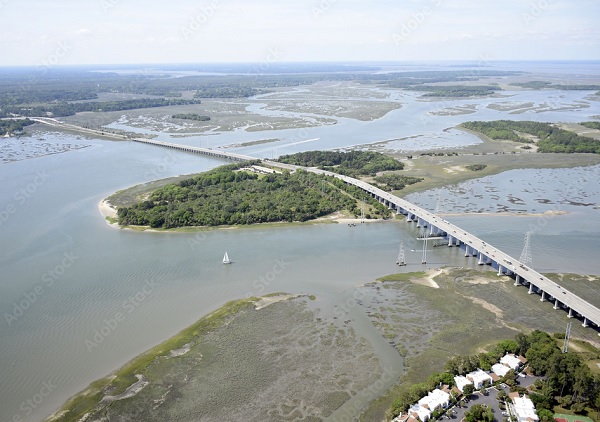
When I work in the office I have to drive over the series of bridges that connect Hilton Head Island with the mainland of the South Carolina Low Country.
Between the mainland and Hilton Head Island is another piece of land known as Pinckney Island.
A bridge takes you over Mackay Creek between the main land and Pinckney and then over Skull Creek to Hilton Head.
There is a two lane bridge going out and another two lane bridge coming in for a total of four bridges.
3 of the four bridges were built in the 1980’s.
The oldest section, the first bridge going from the mainland to Pinckney Island was built in 1957.
While the bridge has passed its end-of-life service date there is no truth to the rumor that the United States Corps of Engineers has condemned the bridge.
There is no truth to the rumor that the United States Corps of Engineers issued an unsafe-to-use certificate for the bridge.
What is true is that since the high tides of Hurricane Matthew so severely undercut the mainland anchorage of the bridge, the United States Corps of Engineers has refused to issue a safe-to-use certificate for the bridge.
The City of Hilton Head, the Country of Beaufort and the State of South Carolina have been researching, planning and projecting a new bridge since 2018.
Everyone agrees they bridge needs to be replaced.
That is where the agreement stops.
And there has been little agreement since.
Somehow, the plan to create a six lane bridge with a bike and pedestrian lane is going to make Hilton Head Island look like Los Angeles.
Somehow the new bridge will scare the turtles.
Want to stop anything down here in the low country, play the turtle card.
Recently the Beaufort County announced it was their bridge and they were going ahead regardless of what the town of Hilton Head said.
The wheels are in motion.
Beaufort County announced they are taking bids on their time and traffic study and hope to have that in place soon and what the study is studied, final construction plans will be open for bidding.
I doubt this new bridge will be built in my lifetime.
I know Hilton Head is a special case and South Carolina is a special case.
What I mean by that is hard to explain if you don’t live here or haven’t been following the Murdaugh Murder case.
Still I read with interest the opinion piece, The Great Construction Mystery, By Ezra Klein (NYT 2/5/2023), that started:
Here’s something odd: We’re getting worse at construction. Think of the technology we have today that we didn’t in the 1970s. The new generations of power tools and computer modeling and teleconferencing and advanced machinery and prefab materials and global shipping. You’d think we could build much more, much faster, for less money, than in the past. But we can’t. Or, at least, we don’t.
Mr. Klien quoted a Mr. Ed Zarenski who runs the market analysis firm Construction Analytics.
Mr. Zarenski said:
And behind all that is paperwork, and paperwork, and more paperwork. “The work we do today takes hundreds more people in the office to track and bring to completion,” he told me. “The level of reporting that you have to send to the government, to the insurance companies, to the owner, to show you’re meeting all the requirements on the job site, all of that has increased. And so the number of people you need to produce that has increased.”
This, Syverson said, was closest to his view on the construction slowdown, though he didn’t know how to test it against the data. “There are a million veto points,” he said. “There are a lot of mouths at the trough that need to be fed to get anything started or done. So many people can gum up the works.”
I have a brother in law who is involved in all sorts of building projects.
At one time, he was part of the group that built that then Sears Tower in Chicago under the Richard Daley regime.
I asked him about the changes in building and he referenced Daley.
He claimed that for the Sears Tower, all it took was one meeting, a meeting with Daley, to get the OK on the project.
Once Daley said yes all other questions, issues and problems went away.
To put up a super market in Livonia, I had to go to 17 zoning meetings he told me.
There are a lot of mouths at the trough that need to be fed to get anything started or done.
So many people can gum up the works.
Everyone has their pet theory.
But everyone has a different pet.
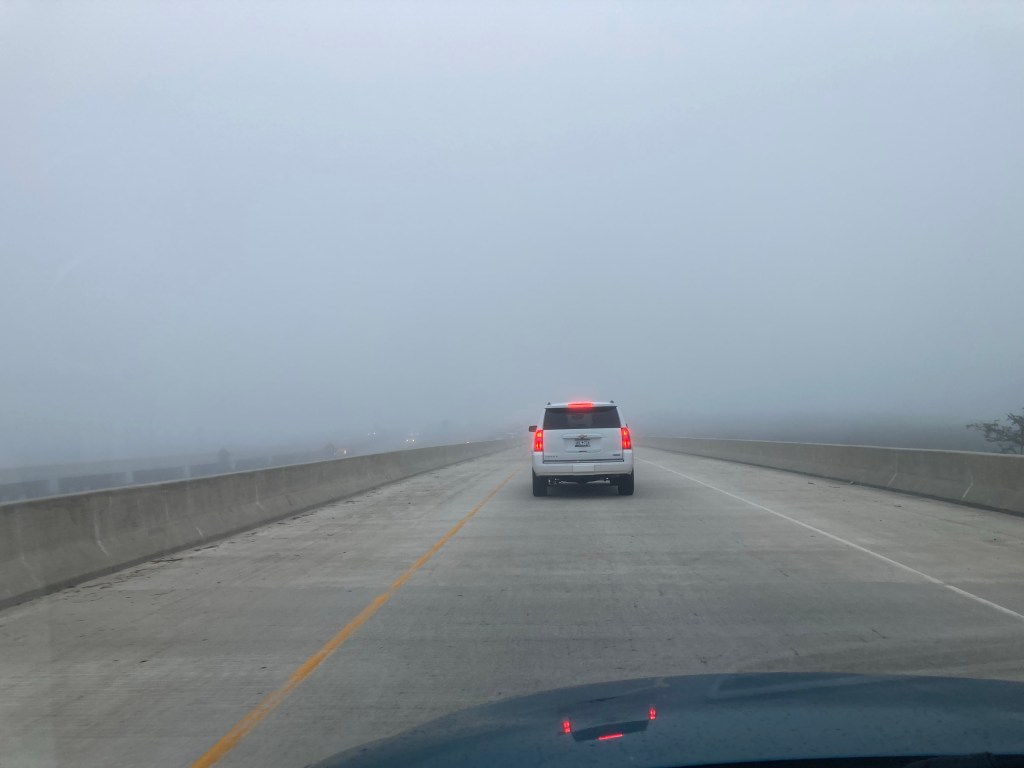
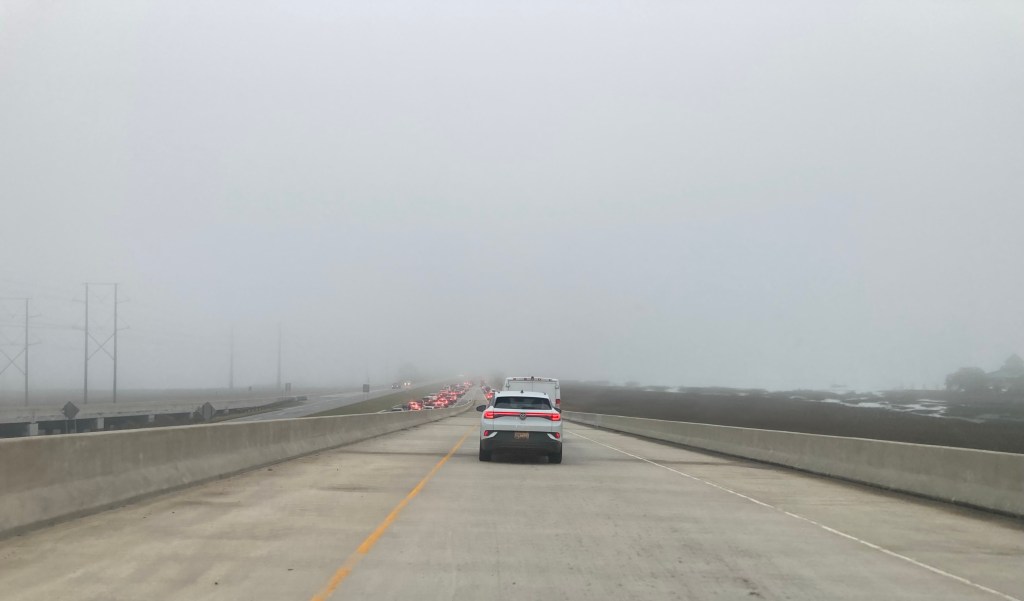
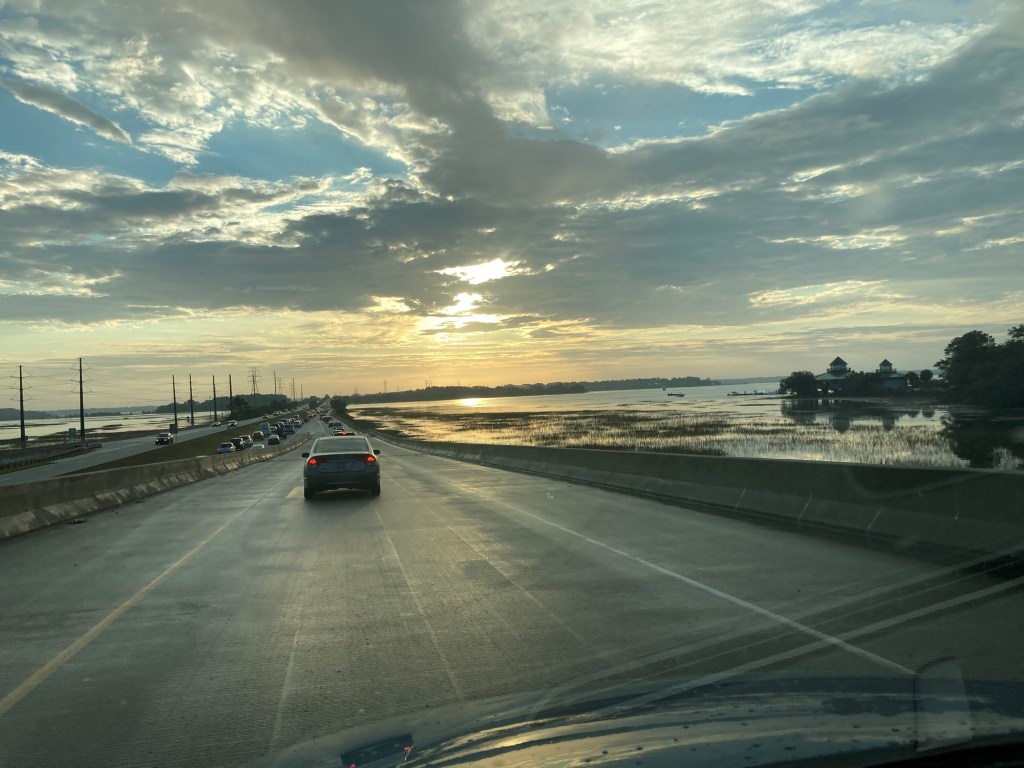
And I get to drive on that bridge to get to work.
 No Haiku For You