
this didn’t open
my eyes – his words had drawn me
into his madness
“In the spring of 1937,” he [Albert Speer] said, “Hitler said something to me that should have made me realize the extent of his megalomania.
He came to my Berlin showrooms to look at the seven-foot-high model of the stadium.
Talking about the Olympic Games, I pointed out to him that the athletic field did not conform to the proportions prescribed by the Olympic Committee. ‘
That’s immaterial,’ said Hitler.
‘In 1940 the Games will be held in Tokyo, but after that, for all time to come, they will take place in Germany, in this stadium.
And then it is we who will prescribe the necessary dimensions.’
“Thinking of this later, it was almost incredible to me that this didn’t open my eyes.
I was after all a sportsman, passionately interested in the Olympic Games since childhood, and I knew perfectly well that the whole universal concept of the event presupposed a change of venue every four years.
How could he have thought he could bend the powerful world of sports to his will?
How could he have wanted it?
How could I not have realized that day that he was mad?
Well, I didn’t;
I can almost still see myself smiling in admiration at his prophetic words.
He had drawn me into his madness.”
From Albert Speer: His Battle with Truth by Gitta Sereny (Knopf: New York, 1995).
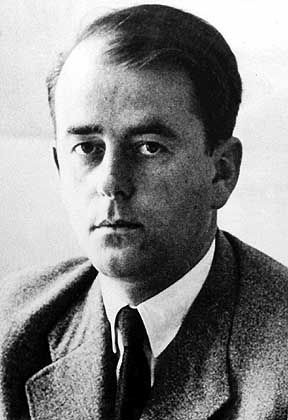
To repeat, “How could I not have realized that day that he was mad? Well, I didn’t; I can almost still see myself smiling in admiration at his prophetic words. He had drawn me into his madness.
Sounds like a lines from a whole batch of upcoming explain-it-all biographies that will be written in the next 10 to 20 to 30 years.
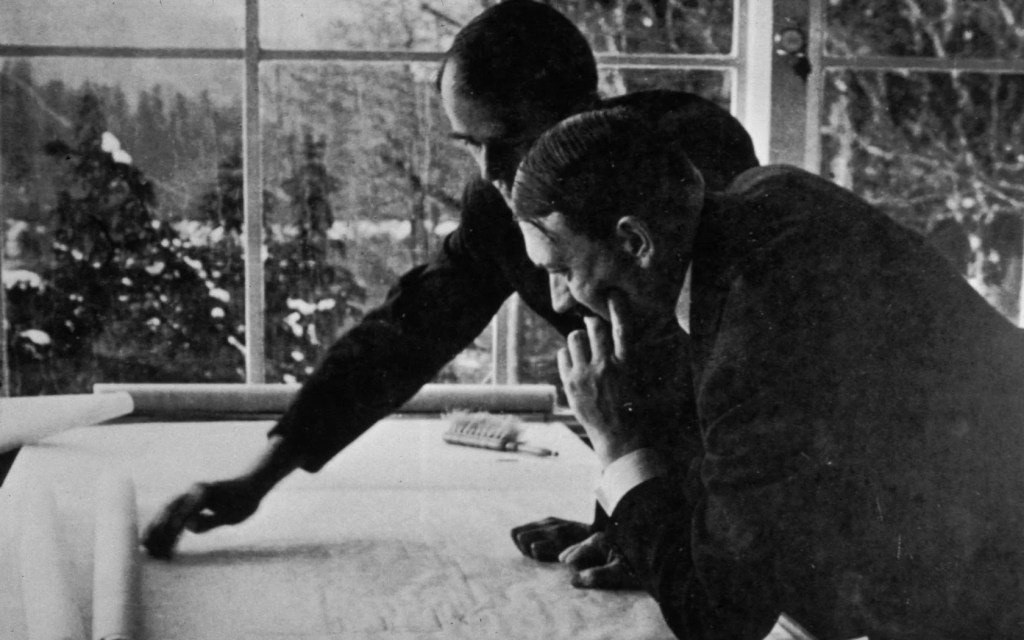
According to Wikipedia, Albert Speer was a German architect who served as Minister of Armaments and War Production in Nazi Germany during most of World War II. A close friend and ally of Adolf Hitler, he was convicted at the Nuremberg trials and served 20 years in prison.
After the war, Speer was among the 24 major war criminal defendantscharged by the International Military Tribunal for Nazi atrocities. He was found guilty of war crimes and crimes against humanity, principally for the use of slave labor, narrowly avoiding a death sentence. Having served his full term, Speer was released in 1966. He used his writings from the time of imprisonment as the basis for two autobiographical books, Inside the Third Reich and Spandau: The Secret Diaries. Speer’s books were a success; the public was fascinated by the inside view of the Third Reich he provided. He died of a stroke in 1981.
Discover more from No Haiku For You
Subscribe to get the latest posts sent to your email.

too prophetic. so much insight. Thanks for sharing
LikeLiked by 1 person