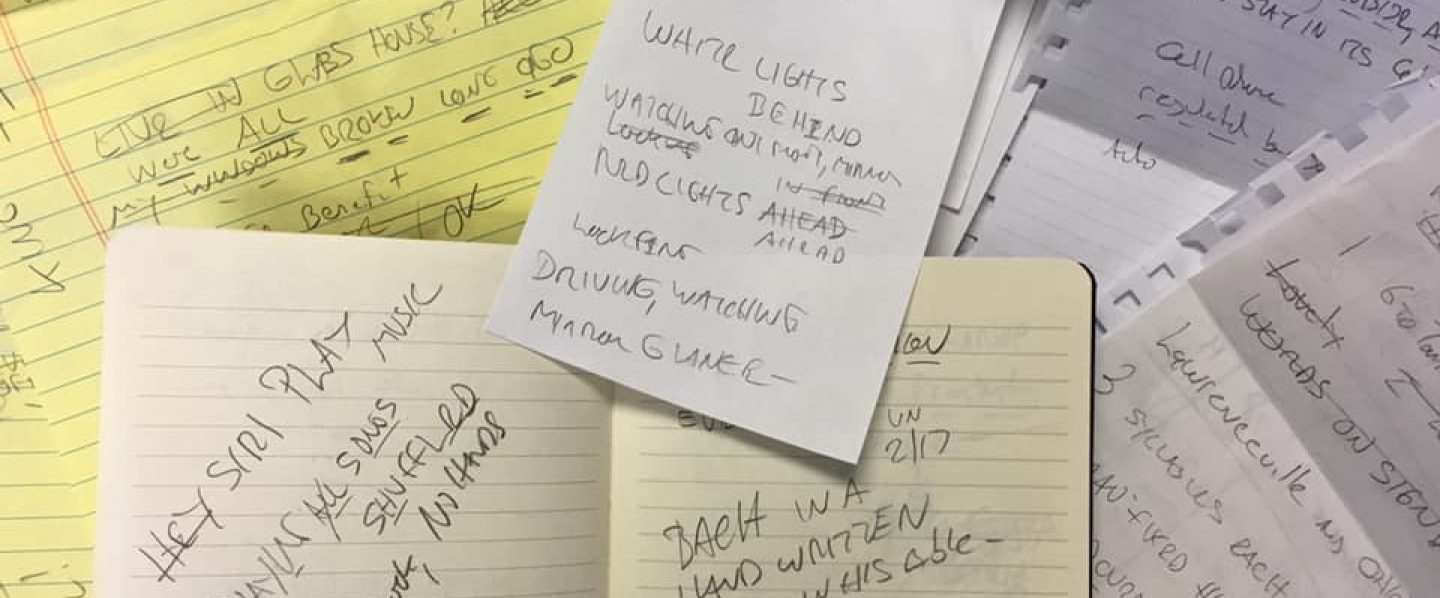

after horse is gone
or when the steede is stolne
shut the stable durre
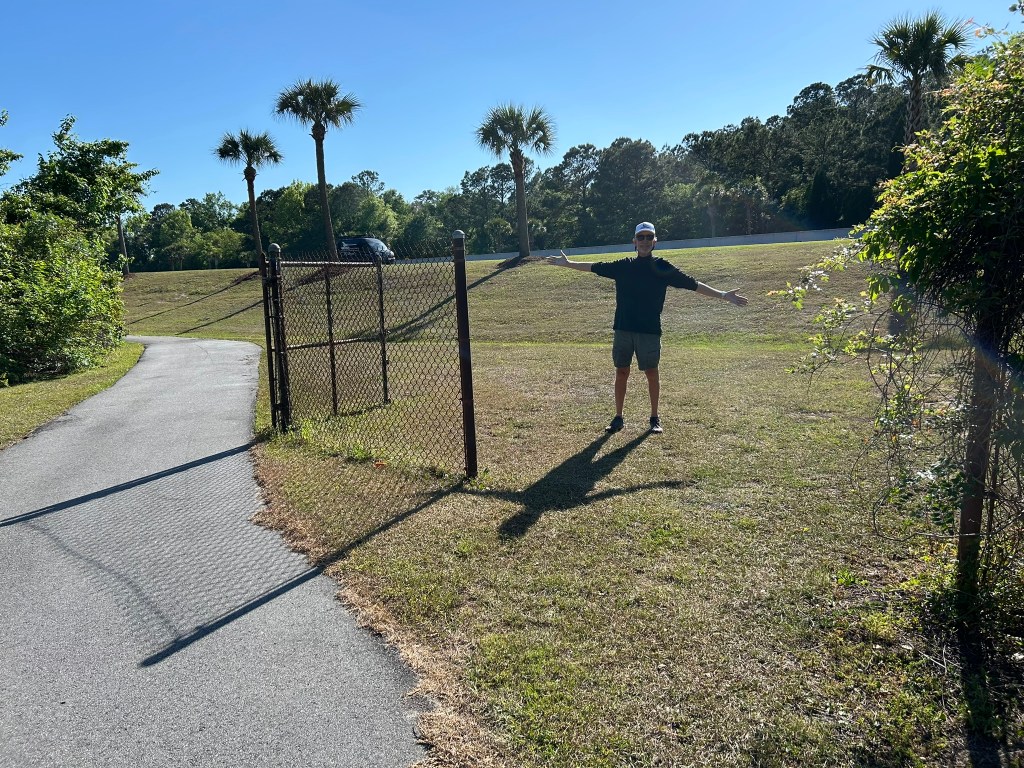
Out walking on the Island with my wife took the path that runs along the cross island parkway to the bridge over Broad Creek.
For sometime I have noticed that at one point, we walk through a gate in the fence that lines the parkway.
The other day, I looked a little closer and noticed we weren’t walking through a gateway in the fence along the parkway but through a fence that seems to have been set up so there could be a gate.
If ever, and we have never seen it closed, the gate where to be closed, it would be a matter of 4 or 5 feet to walk around the gate.
I wondered why out loud and my wife pointed out that maybe it was to block access to path if you had a vehicle of some sort.
I agreed that that would work but to someone who was going to drive a bike or ATV or something that fit on the path, the closed gate would not be much a deterrent.
From a point of law I guess, if one were asked was the gate closed, and it was, then it should be understood that access was restricted and those who continued around the gate would be understood to be in violation of whatever reason the gate was closed.
Still its a gate that doesn’t close anything or offer passage to anyway.
In 2012, much was made of the Governor of Alaska and they she fought for funding for a ‘Bridge to No Where’.
At the time I pointed out that didn’t bother people in Michigan as Michigan built a Bridge to No Where in 1957.
Still I stand in front of my open gate and I walk around to see what would happen if the gate might be closed.
What came to mind was the old saying of closing the barn door after the horse has left and if you this set up for your barn, closing the barn door before the horse has left wouldn’t make much difference which led me to search out the orgins of the phrase about the horse and the barn door and that led to a feller name John Heywood who put pen to paper back in the Henry 8th era.
And boy did Mr. Heywood put pen to paper.
He recorded a lot of things that we say and whether or not he SAID them first, he wrote them down and published them first in his book, The Proverbs of John Heywood, Being the “Proverbs” of that Author (Printed in 1546).
The way he put it was When the steede is stolne shut the stable durr.
Other thoughts in his book include:
But better late then never to repent this.
And while I at length debate and beat the bush,
There shall step in other men, and catch the birds,
And by long time lost in many vain words.
Wedding is destiny, And hanging likewise.
A hard beginnyng makth a good ending
Two heddis are better then one
And also I shall to reueng former hurtis,
Hold their noses to grinstone, and syt on theyr skurtis.
The nere to the churche, the ferther from God.
Be they wynners or loosers,
… beggers should be no choosers.
A man maie well bring a horse to the water,
but he can not make him drinke without he will.
According to Wikipedia, John Heywood (c. 1497 – c. 1580) was an English writer known for his plays, poems, and collection of proverbs. Although he is best known as a playwright, he was also active as a musician and composer, though no musical works survive. A devout Catholic, he nevertheless served as a royal servant to both the Catholic and Protestant regimes of Henry VIII, Edward VI, Mary I and Elizabeth I.
Boy Howdy! But anyone who served Henry VIII, Edward VI, Mary I and Elizabeth I and survived deserves to have also said If you can keep your head when all about you, but he didn’t.
(It seems Mr. Kipling did.)
Mr. Heywood did say I know on which side my bread is buttered, but he didn’t say why toast always falls buttered side down.
A lot of goofiness for a goofy gate in one essay.
I try to chronicle words, word usage and witty word play but what it comes down is what it says in the Bible.
What has been will be again,
what has been done will be done again;
there is nothing new under the sun.
Ecclesiastes 1:9 (NIV)
Discover more from No Haiku For You
Subscribe to get the latest posts sent to your email.
