November 14 – always there for you

always there for you
it’s always, always faithful
a beacon of hope
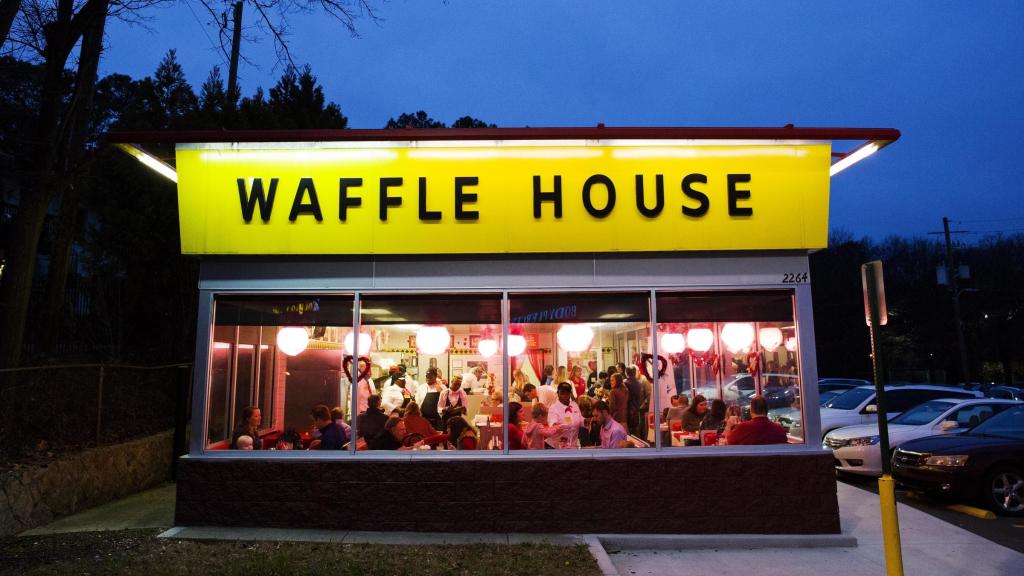
A Waffle House

Adapted from Anthony Bourdain on a visit to a Waffle House.

Bourdain wrote, “It is indeed marvelous.
An irony free zone where everything is beautiful and nothing hurts for everybody regardless of race, creed, color, or degree of inebriation is welcomed.
It’s warm yellow glow, a beacon of hope and salvation inviting the hungry, the lost, the seriously hammered all across the south to come inside, a place of safety and nourishment.
It never closes.
It is always, always faithful, always there for you.
” (Parts Unknown – 2015)

On Sunday just past, at our place of worship, Cross Pointe Church in Duluth, Georgia, our Pastor, James Merritt, played this clip to start his sermon.

Pastor Merritt then asked, “Why can’t Church be like this?”

I like Waffle House.

I also agree with the advice, “but you got to find the good ones.”

Regardless, everything Bourdain says is true.

Come inside!

A place of safety.

Always, always faithful.

It never closes.

My daughter worked there for awhile.
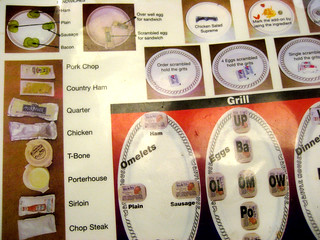
Long enough for us to learn about the secret code of how the cook can identify everything on the menu by the arrangement of the packets of condiments and silver ware on an empty plate waiting on the counter.

Now my daughter says why go there for food you can make just as well as home.

It is not JUST the food is it?

From the goofy signs on the wall to the clatter of crockery.

Everything is beautiful.

Nothing hurts.

Everybody regardless of race, creed, color, or degree of inebriation is welcomed.

It is a church of sorts.

A community.

A beacon of hope.

Not just Church, why can’t the world be more like Waffle House?
November 12 – once in a lifetime

once in a lifetime
wave of justice can rise up
hope and history rhyme

Inspired by the excerpt below from The Cure at Troy by Seamus Heaney.

Human beings suffer,
They torture one another,
They get hurt and get hard.
No poem or play or song
Can fully right a wrong
Inflicted and endured.

The innocent in gaols
Beat on their bars together.
A hunger-striker’s father
Stands in the graveyard dumb.
The police widow in veils
Faints at the funeral home.

History says, don’t hope
On this side of the grave.
But then, once in a lifetime
The longed-for tidal wave
Of justice can rise up,
And hope and history rhyme.

So hope for a great sea-change
On the far side of revenge.
Believe that further shore
Is reachable from here.
Believe in miracle
And cures and healing wells.

Call miracle self-healing:
The utter, self-revealing
Double-take of feeling.
If there’s fire on the mountain
Or lightning and storm
And a god speaks from the sky

That means someone is hearing
The outcry and the birth-cry
Of new life at its term.

The Cure at Troy: A Version of Sophocles’ Philoctetes is a verse adaptation by Seamus Heaney of Sophocles’ play Philoctetes. It was first published in 1991. The story comes from one of the myths relating to the Trojan War. It is dedicated in memory of poet and translator Robert Fitzgerald. (wikipedia)

November 10 – sunshine patriots

sunshine patriots
service shrinks in this crisis
these times try my soul

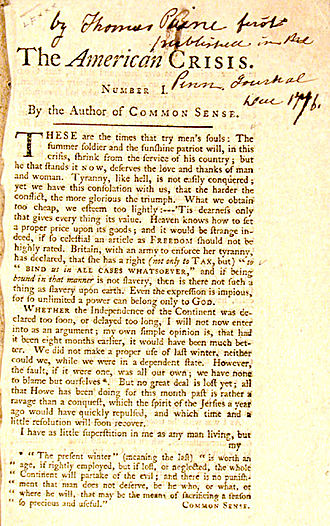
These are the times that try men’s souls: The summer soldier and the sunshine patriot will, in this crisis, shrink from the service of his country; but he that stands it now, deserves the love and thanks of man and woman.

Thomas Paine –

The American Crisis, or simply The Crisis, is a pamphlet series by eighteenth century Enlightenment philosopher and author, Thomas Paine, originally published from 1776 to 1783 during the American Revolution. Thirteen numbered pamphlets were published between 1776 and 1777, with three additional pamphlets released between 1777 and 1783. The first of the pamphlets was published in The Pennsylvania Journal on December 19, 1776. Paine signed the pamphlets with the pseudonym, “Common Sense”. (Wikipedia)

Common Sense is mighty uncommon lately.

November 9 – warm days never cease?

warm days never cease?
mists and mellow fruitfulness?
what happened to fall?

Temperatures across the continent plunge in a cruel mockery of autumnal thoughts of a “Close bosom-friend of the maturing sun.”

What happened to fall in this, the year of our Lord, 2019?

I have been informed that Keats was thinking about England when he penned this.

To Autumn BY JOHN KEATS

Season of mists and mellow fruitfulness,
Close bosom-friend of the maturing sun;
Conspiring with him how to load and bless
With fruit the vines that round the thatch-eves run;
To bend with apples the moss’d cottage-trees,
And fill all fruit with ripeness to the core;
To swell the gourd, and plump the hazel shells
With a sweet kernel; to set budding more,
And still more, later flowers for the bees,
Until they think warm days will never cease,
For summer has o’er-brimm’d their clammy cells.

Who hath not seen thee oft amid thy store?
Sometimes whoever seeks abroad may find
Thee sitting careless on a granary floor,
Thy hair soft-lifted by the winnowing wind;
Or on a half-reap’d furrow sound asleep,
Drows’d with the fume of poppies, while thy hook
Spares the next swath and all its twined flowers:
And sometimes like a gleaner thou dost keep
Steady thy laden head across a brook;
Or by a cyder-press, with patient look,
Thou watchest the last oozings hours by hours.

Where are the songs of spring? Ay, Where are they?
Think not of them, thou hast thy music too,—
While barred clouds bloom the soft-dying day,
And touch the stubble-plains with rosy hue;
Then in a wailful choir the small gnats mourn
Among the river sallows, borne aloft
Or sinking as the light wind lives or dies;
And full-grown lambs loud bleat from hilly bourn;
Hedge-crickets sing; and now with treble soft
The red-breast whistles from a garden-croft;
And gathering swallows twitter in the skies.

November 2 – In a world gone nuts

In a world gone nuts
A Grand Daughter turns seven
Perspective, Hope, Love

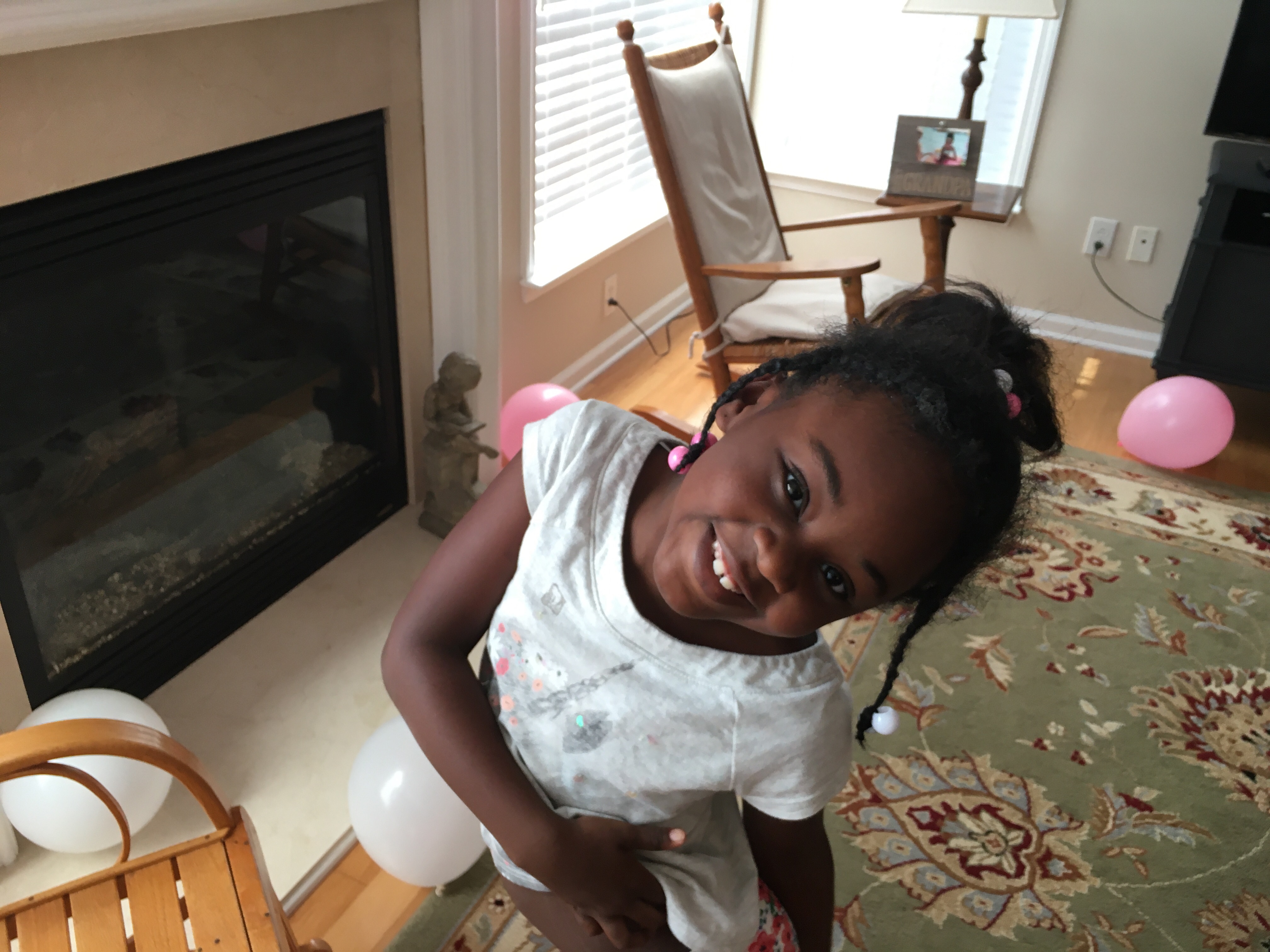
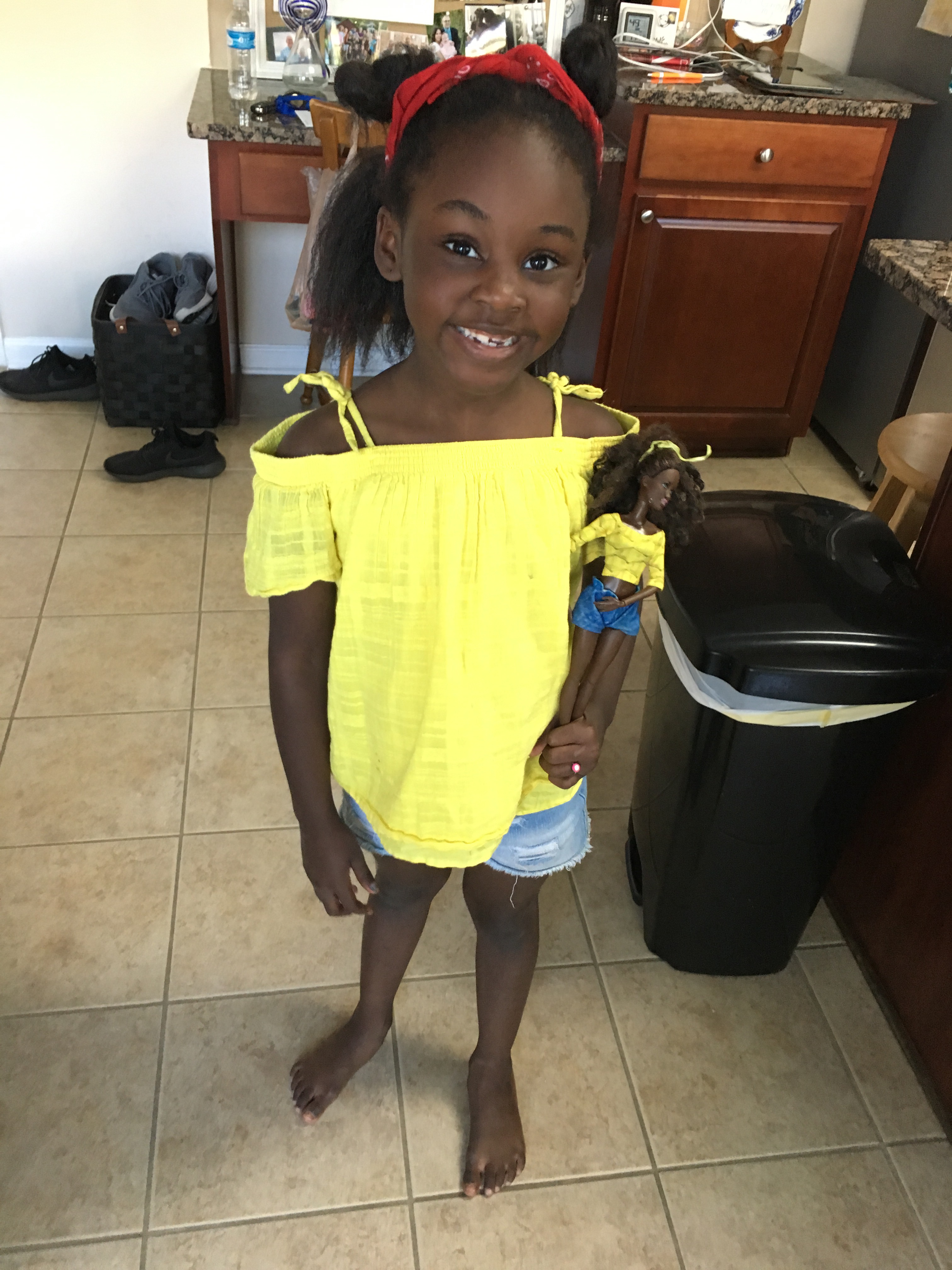
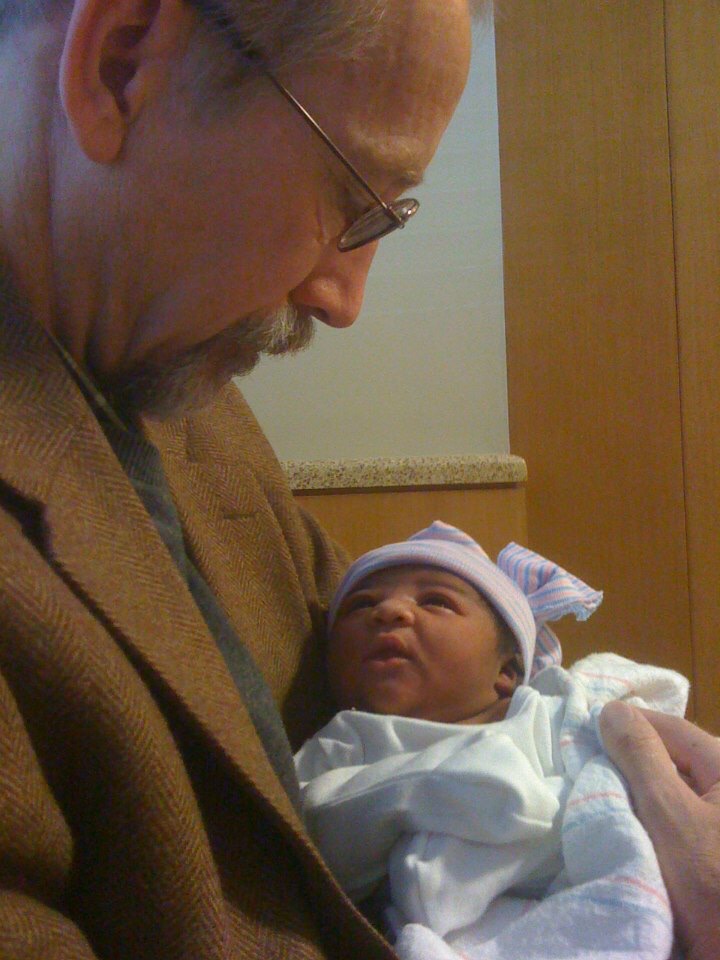
On a cool November morning seven years ago, I drove to the hospital to meet Azaria Janae Hoffman for the first time.

Life has not been the same in some unexpected ways.

I cannot say that these feelings are unique to me, but maybe unique to Grand Parents.

But Grand Children really do put things in perspective.

Faith, Hope and Love.

The Book says the greatest of these is love.

That doesn’t mean to discount or diminish faith.

And hope?

When I held that baby girl in my arms and looked in her eyes for the first time, and when I sing, in the most awful way today, Happy Birthday to that same baby girl, I can have nothing but hope for the future.