7.31.2023 – sand is a substance

sand is a substance
beautiful mysterious
each grain on a beach

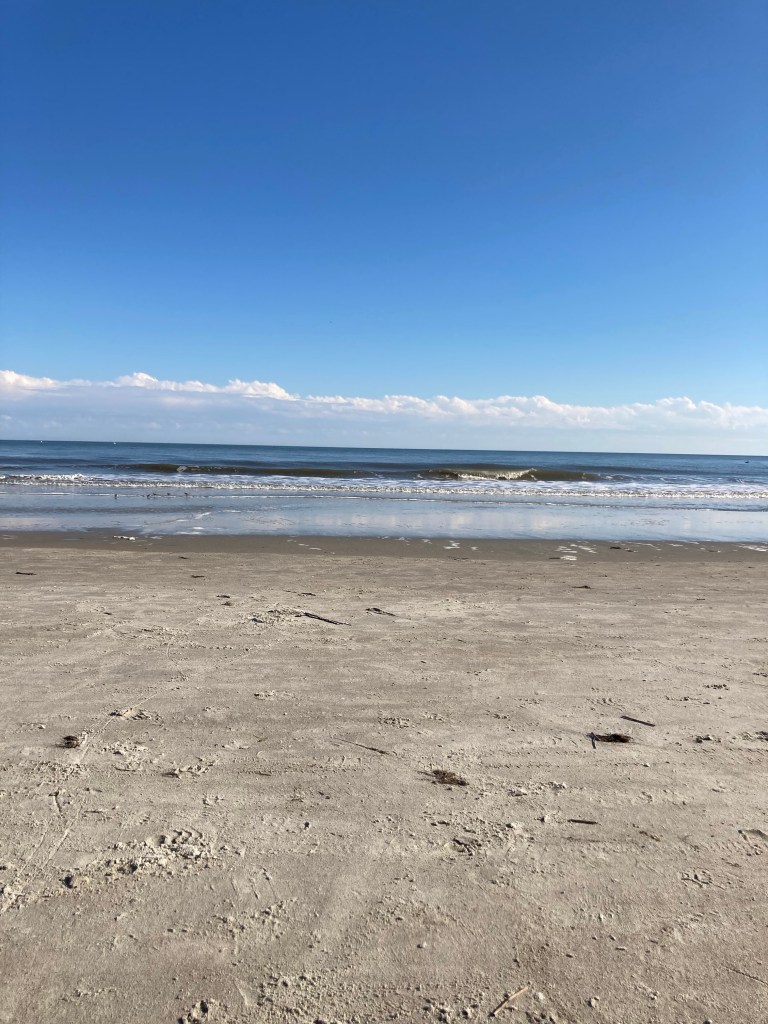
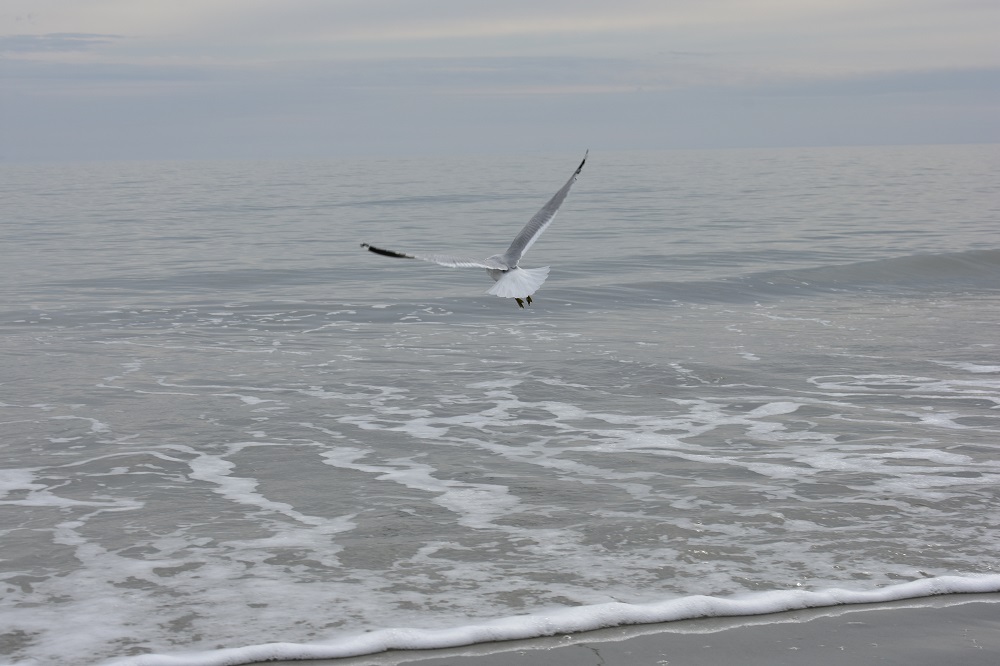
the materials of the beach are themselves steeped in antiquity. Sand is a substance that is beautiful, mysterious, and infinitely variable; each grain on a beach is the result of processes that go back into the shadowy beginnings of life, or of the earth itself.

The bulk of seashore sand is derived from the weathering and decay of rocks, transported from their place of origin to the sea by the rains and the rivers. In the unhurried processes of erosion, in the freighting seaward, in the interruptions and resumptions of that journey, the minerals have suffered various fates—some have been dropped, some have worn out and vanished. In the mountains the slow decay and disintegration of the rocks proceed, and the stream of sediments grows—suddenly and dramatically by rockslides—slowly, inexorably, by the wearing of rock by water. All begin their passage toward the sea. Some disappear through the solvent action of water or by grinding attrition in the rapids of a river’s bed. Some are dropped on the riverbank by flood waters, there to lie for a hundred, a thousand years, to become locked in the sediments of the plain and wait another million years or so, during which, perhaps, the sea comes in and then returns to its basin. Then at last they are released by the persistent work of erosion’s tools—wind, rain, and frost—to resume the journey to the sea. Once brought to salt water, a fresh rearranging, sorting, and transport begin. Light minerals, like flakes of mica, are carried away almost at once; heavy ones like the black sands of ilmenite and rutile are picked up by the violence of storm waves and thrown on the upper beach.

No individual sand grain remains long in any one place. The smaller it is, the more it is subject to long transport—the larger grains by water, the smaller by wind. An average grain of sand is only two and one half times the weight of an equal volume of water, but more than two thousand times as heavy as air, so only the smaller grains are available for transport by wind. But despite the constant working over of the sands by wind and water, a beach shows little visible change from day to day, for as one grain is carried away, another is usually brought to take its place

From The Rim of Sand in the book, The Edge of the Sea by Rachel Carson (Boston, Houghton, Mifflin, 1955).

Ms. Carson may be better known for the book, Silent Spring, but I like the Edge of the Sea better.

Maybe because that it is where I work.

I can leave my office at lunch time and in 5 minutes stand with my feet in the water and Mr. Thoreau said of Cape Code, “A man may stand there and put all America behind him.

7.27.2023 – think of all the tales

think of all the tales
that have been told, and well told
you will never know

Sunrise over Skull Creek, Hilton Head Island

Everyday the sun rises.

Everyday the sun sets.

(I have to remark on that line by remembering a young waitress at the restaurant at Amicalola Falls State Park & Lodge in Dawsonville, GA, who stopped taking our order to get out her phone and snap a photo of the sunset saying, ‘You don’t see a sunset everyday!’ The moment reinforced what I had read earlier in the day when I checked on the reviews of this restaurant that most mentioned in some way the unique character of the staff. But I digress.)

The tide comes in and washed the beach here twice a day leaving a clean sweep of sand with no footprints or evidence of any body being there before.

But when Winston Churchill wrote, Think of all the wonderful tales that have been told, and well told, which you will never know, he was not referring to the march of time across the span of the days of mankind.

He was thinking only of the efforts of this human race to document the passage of time in books.

In an essay titled Hobbies, which my research seems to show was published originally in the Strand Magazine in either 1921 or 1922 together with his essay Painting as a Pastime and then reprinted in a collection of Churchill’s essay’s titled, Thoughts and Adventures, (Odhams Press, LTD. London, 1932) and now available at Fadepage.com, Mr. Churchill wrote:

But a day in a library, even of modest dimensions, quickly dispels these illusory sensations.

As you browse about, taking down book after book from the shelves and contemplating the vast, infinitely-varied store of knowledge and wisdom which the human race has accumulated and preserved, pride, even in its most innocent forms, is chased from the heart by feelings of awe not untinged with sadness.

As one surveys the mighty array of sages, saints, historians, scientists, poets and philosophers whose treasures one will never be able to admire — still less enjoy — the brief tenure of our existence here dominates mind and spirit.

Think of all the wonderful tales that have been told, and well told, which you will never know.

Think of all the searching inquiries into matters of great consequence which you will never pursue.

Think of all the delighting or disturbing ideas that you will never share.

Think of the mighty labours which have been accomplished for your service, but of which you will never reap the harvest.

But from this melancholy there also comes a calm.

The bitter sweets of a pious despair melt into an agreeable sense of compulsory resignation from which we turn with renewed zest to the lighter vanities of life.

Reading.

To read.

And yet …

I guess when I think about reading under attack, just writing those words is a like a smack in the face, I can’t do much more than to remember the bitter sweets of a pious despair melt into an agreeable sense of compulsory resignation from which we turn with renewed zest to the lighter vanities of life.

In the forward to the book, Mr. Churchill leaves as an epigram:

Le monde est vieux, dit-on: je le crois; cependant

Il le font amuser encor comme un enfant.

I had to look it up but it translates:

The world is old, they say: I believe it; However …

They still make him have fun like a child.

7.72023 – sensed deep in his bones

sensed deep in his bones
natural state of universe
was endless summer

Though he had never lived in a truly warm climate he always sensed deep in his bones that the natural state of the universe was endless summer, though he had only heard rumors of its existence.

He had heard of places where the grass was eternally green, where snow was spoken of with nostalgia by people who had not endured it for years.

But Miami, and Florida, that tropical green finger with the angelic aura of white sand, was so perfect, so magical, the possibilities of baseball so endless, that its mere existence almost caused Sandor to acknowledge the possibility of a God.

From Butterfly Winter by WP Kinsella, 2011, Winnipeg, Enfield & Wizenty

6.27.2023 – tide goes, tide goes out

tide goes, tide goes out
once more the empty day goes
down the empty shore

Adapted from:

Ebb

The tide goes out, the tide goes out; once more
The empty day goes down the empty shore.

The tide goes out; the wharves deserted lie
Under the empty solitude of sky.

The tide goes out; the dwindling channels ache
With the old hunger, with the old heartbreak.

The tide goes out; the lonely wastes of sand
Implore the benediction of thy hand.

The tide goes out, goes out; the stranded ships
Desire the sea, — and I desire thy lips.

As it appears in: Poems by Sir Charles George Douglas Roberts, 1907