
important that one
not say any foolish things
if he can help it
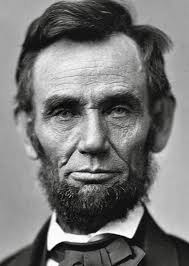
I appear before you, fellow-citizens merely to thank you for this compliment. The inference is a very fair one that you would hear me for a little while, at least, were I to commence a speech.
I do not appear before you for the purpose [of speechifying] and for several substantial reasons.
The most substantial of these is that I have no speech to make.
It is somewhat important in my position that one should not say any foolish things if he can help it and to help it is to say nothing at all.
Believing that that is my precise position this evening, I must beg you from saying “one word.”
Abraham Lincoln in response to a ‘serenade’ from the crowd on the night of November 18, 1863 as reported in the Gettysburg Star & Banner.
The next day, after spending the night in Gettysburg, Mr. Lincoln would deliver his short remarks in dedicating a cemetery on the site of the battle.
Gabor Boritt, in his book, The Gettysburg gospel : the Lincoln speech that nobody knows (New York: Simon and Schuster, 2006), writes:
In 118 or so words, Lincoln acquitted himself: his first Gettysburg address. The following day, he would speak in a different vein and would not need many more than twice the number of words to say his piece. This night the crowds got the bantering, vintage Westerner, funny and humble. They applauded long when he finished. Thursday, the 19th, would be another day.
Young Hay wrote in his diary: “The President appeared at the door said his half dozen words meaning nothing & went in.” Lincoln knew better. He had shown the people that he was one of them. That was not unimportant. That his opponents would fault him, “the great American humorist,” he also knew. And if he had even more serious purpose in coming to Gettysburg, he understood that the throngs came in no small measure to enjoy themselves. Nor would all of them make sharp distinctions. Local butcher Harvey Sweeney heard Lincoln that evening and on the next day, too, and in a letter to his brother ten days later would lump it all together as “noble speeches”: “the greatest of the great men,” whose words “endeared him to the hearts of the people and added thousands of friends to him….“
When Lincoln went back indoors after his speech, he could hear people whooping, singing, carrying on, and going next door to serenade the next dignitary. In the Harpers’ house, the Secretary of State was the most honored guest. Seward had been the president’s stand-in until a few days ago. On the train, had the two men talked about what they would say? They were heading into a festive town and Seward knew that he would be asked to speak, too. He had his backup speech ready.
Brevity.
Not sure why that thought is on my mind today.
 No Haiku For You