1.28.2025 – misanthropy plus

misanthropy plus
anger characteristic
bleak fatalism

In 1930, James Thurber published a book of drawings titled The Last Flower.

In Thurber’s New Yorker Obituary, EB White wrote. “Although he is best known for “Walter Mitty” and “The Male Animal,” the book of his I like best is “The Last Flower”. In it you will find his faith the renewal of life, his feeling for the beauty and fragility of life on earth.

One week after publication, Life magazine ran a two spread of the drawings and captions under the headline, Speaking of Pictures … Thurber draws a parable on War, that told the story of The Last Flower.

Right now, today, I need a shot of faith the renewal of life, and in a feeling for the beauty and fragility of life on earth.

This is the Life Magazine introduction to the drawings.

The world of James Thurber is a stark soggy word of predatory women, bald bitter little men and melancholy hounds. Created idly on memo pads, long ignored by the New Yorker and doubtfully put into print in 1931, the Thurber cosmology has since been hailed as the creation of a high satirical intelligence. Art critics applaud his economy of line, call him a successor to Picasso and Matisse.

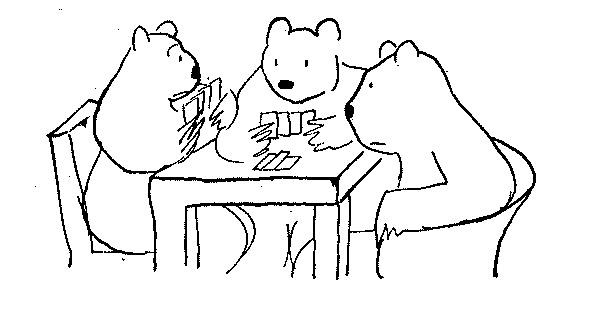
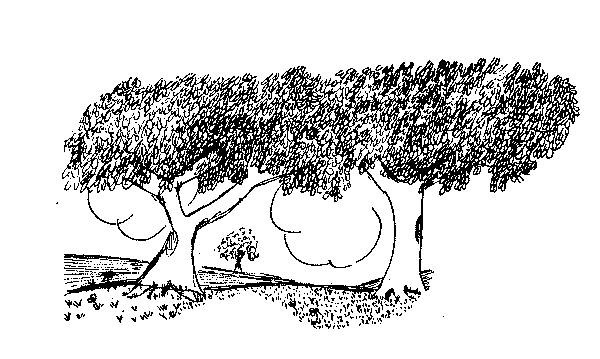
Beneath his cynicism Thurber is an intense, compassionate liberal. When war exploded in Europe he was moved to produce a “parable in pictures,” packed with his characteristic misanthropy plus anger plus a certain bleak fatalism. At his request Harper & Brothers withheld another Thurber volume then ready for release and rushed The Last Flower ($2) into print. Published on Nov. 17, it is sure to land on many a Christmas tree. Below are some of the 50 drawings from the book, with Thurber captions.

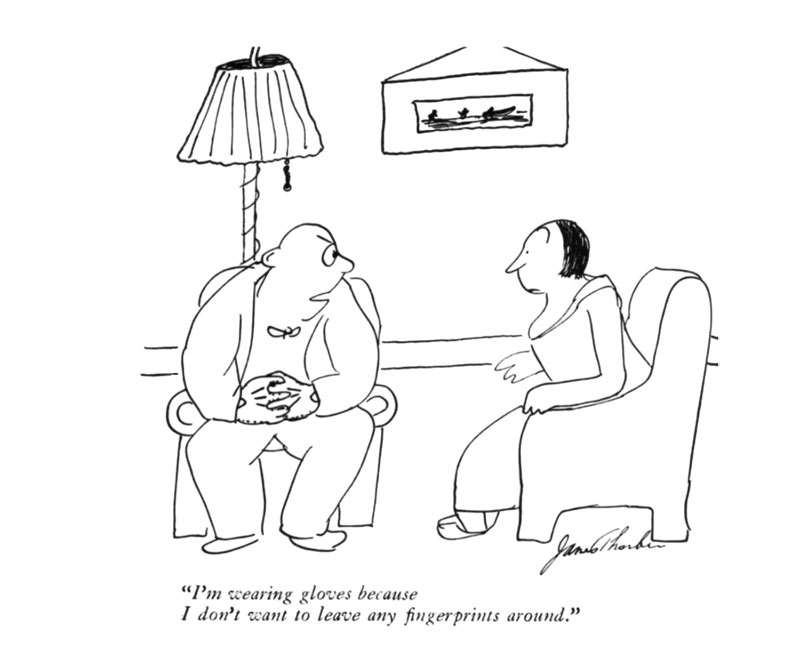
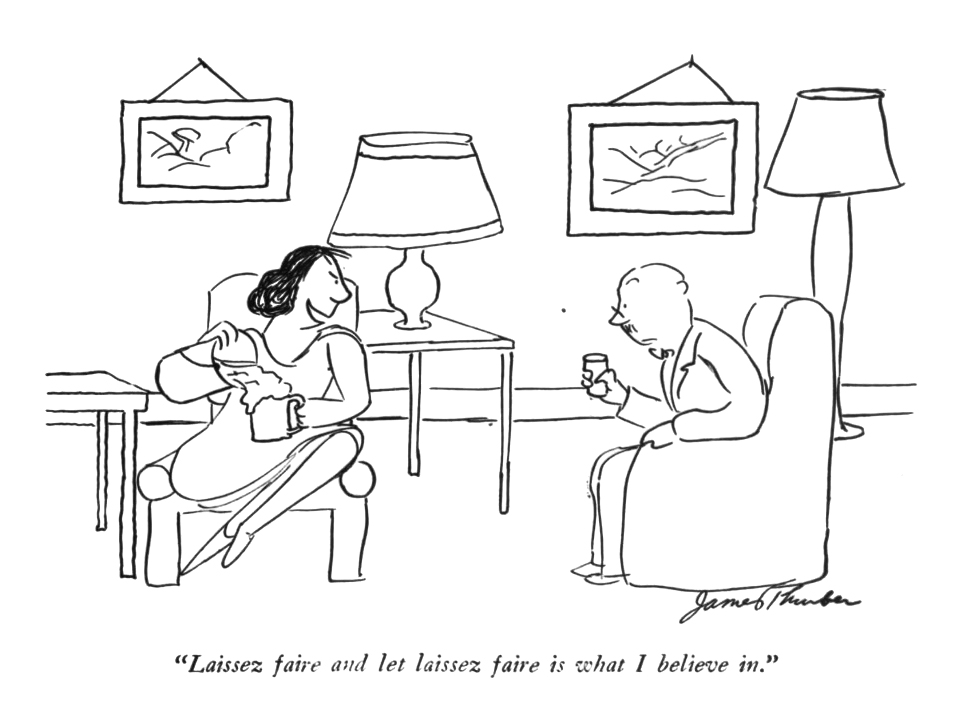
You can see the drawings on my James Thurber page, For Muggs and Rex.

1.27.2025 – what if James Thurber

what if James Thurber
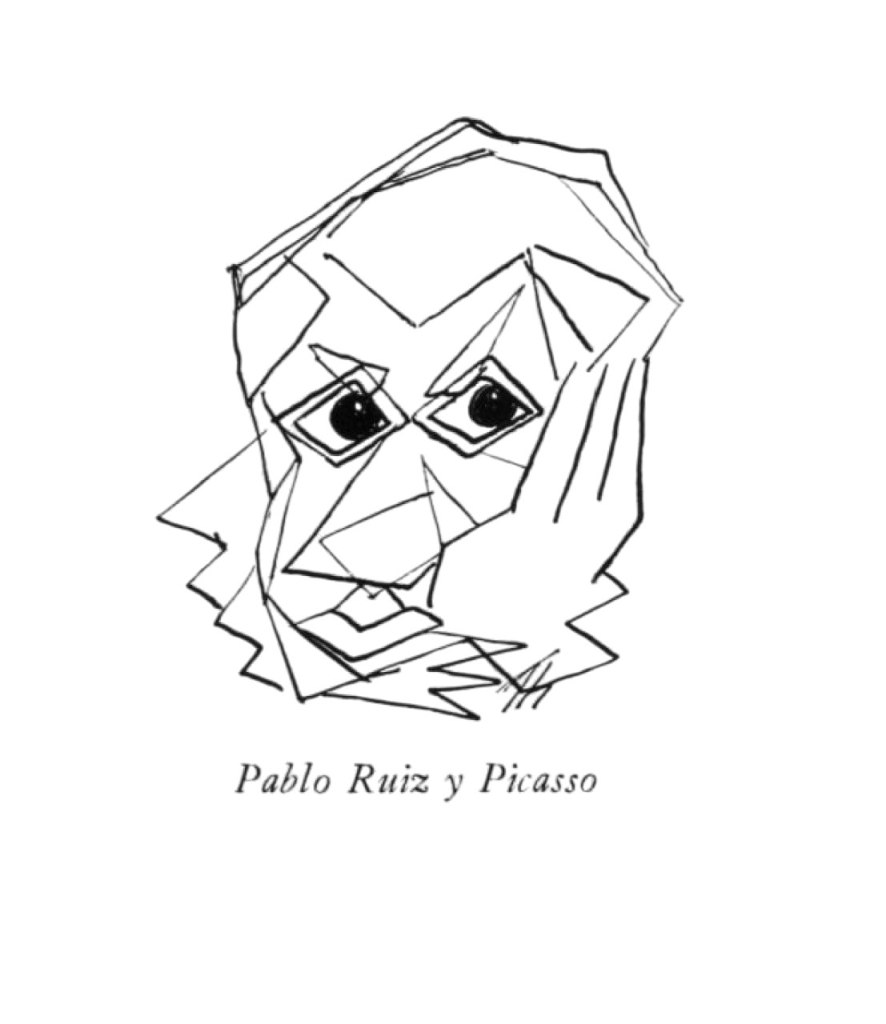
sketched Pablo Picasso from life …
what would he have seen?

Thurber in 1939 was half blind and Picasso was, well, Picasso.

I can wonder, how did Thurber see him?

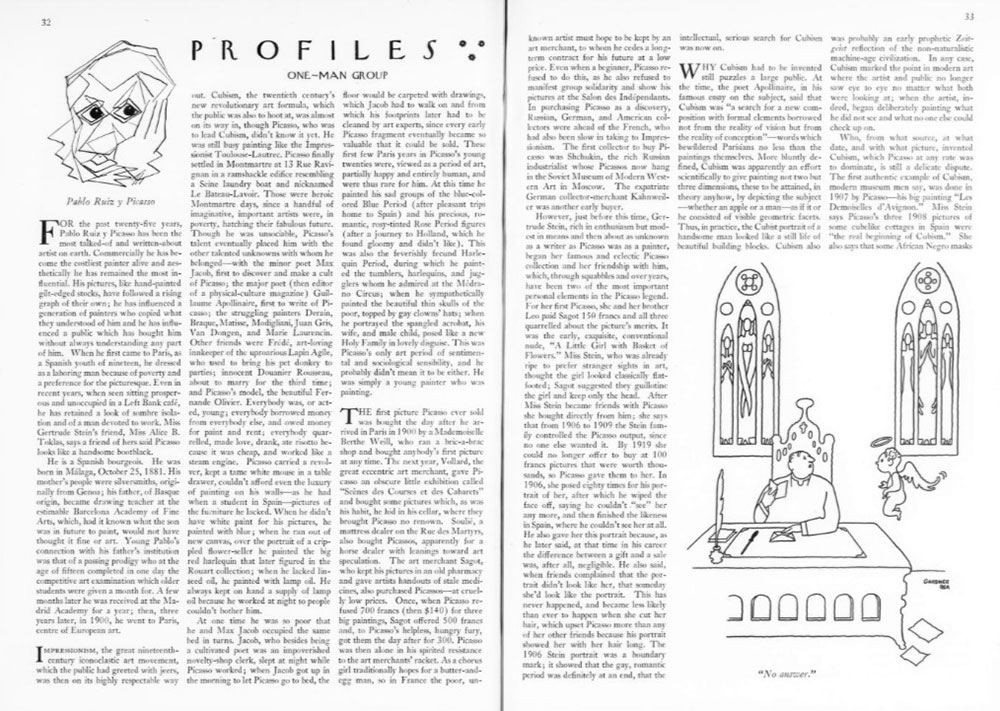
Happy to say that for the New Yorker profile, One Man Group, written by Janet Flanner about Mr. Picasso we know what it would look like and here it is.

Here is how it appeared in the New Yorker …

I am reminded of Gertrude Stein telling Mr. Picasso that his portrait of her did not look like her …

Picasso is said to have replied, “It will.”

You can see more little or lesser known Thurber drawings here – https://muggsandrex.wordpress.com/

1.20.205 – anyone can fool

anyone can fool
too many of the people
too much of the time

The Owl Who Was God

Once upon a starless midnight there was an owl who sat on the branch of an oak tree. Two ground moles tried to slip quietly by, unnoticed. “You!” said the owl. “Who?” they quavered, in fear and astonishment, for they could not believe it was possible for anyone to see them in that thick darkness. “You two!” said the owl. The moles hurried away and told the other creatures of the field and forest that the owl was the greatest and wisest of all animals because he could see in the dark and because he could answer any question. “I’ll see about that,” said a secretary bird, and he called on the owl one night when it was again very dark. “How many claws am I holding up?” said the secretary bird, “Two,” said the owl, and that was right. “Can you give me another expression for ‘that is to say’ or ‘namely’?” asked the secretary bird. “To wit,” said the owl. “Why does a lover call on his love?” asked the secretary bird. “To woo,” said the owl.

The secretary bird hastened back to the other creatures and reported that the owl was indeed the greatest and wisest animal in the world because he could see in the dark and because he could answer any question. “Can he see in the daytime, too?” asked a red fox. “Yes,” echoed a dormouse and a French poodle. “Can he see in the daytime, too?” All the other creatures laughed loudly at this silly question, and they set upon the red fox and his friends and drove them out of the region. Then they sent a messenger to the owl and asked him to be their leader.

When the owl appeared among the animals it was high noon and the sun was shining brightly. He walked very slowly, which gave him an appearance of great dignity, and he peered about him with large, staring eyes, which gave him an air of tremendous importance. “He’s God!” screamed a Plymouth Rock hen. And the others took up the cry “He’s God!” So they followed him wherever he went and when he began to bump into things they began to bump into things, too. Finally he came to a concrete highway and he started up the middle of it and all the other creatures followed him. Presently a hawk, who was acting as outrider, observed a truck coming toward them at fifty miles an hour, and he reported to the secretary bird and the secretary bird reported to the owl. “There’s danger ahead,” said the secretary bird. “To wit?” said the owl. The secretary bird told him. “Aren’t you afraid?” he asked. “Who?” said the owl calmly, for he could not see the truck. “He’s God!” cried all the creatures again, and they were still crying “He’s God!” when the truck hit them and ran them down. Some of the animals were merely injured, but most of them, including the owl, were killed.

Moral: You can fool too many of the people too much of the time.

From Fables for Our Time by James Thurber.

Seemed appropriate for today.

12.9.2024 – all men kill the thing

all men kill the thing
they hate, too, unless, of course,
it … it kills them first

The Crow and the Scarecrow

Once upon a farm an armada of crows descended like the wolf on the fold. They were after the seeds in the garden and the corn in the field. The crows posted sentinels, who warned them of the approach of the farmer, and they even had an undercover crow or two who mingled with the chickens in the barnyard and the pigeons on the roof, and found out the farmer’s plans in advance. Thus they were able to raid the garden and the field when he was away, and they stayed hidden when he was at home. The farmer decided to build a scarecrow so terrifying it would scare the hateful crows to death when they got a good look at it. But the scarecrow, for all the work the farmer put in on it, didn’t frighten even the youngest and most fluttery female. The marauders knew that the scarecrow was a suit of old clothes stuffed with straw and that what it held in its wooden hand was not a rifle but only a curtain rod.

As more and more corn and more and more seeds disappeared, the farmer became more and more eager for vengeance. One night, he made himself up to look like a scarecrow and in the dark, for it was a moonless night, his son helped him to take the place of the scarecrow. This time, however, the hand that held the gun was not made of wood and the gun was not an unloaded curtain rod, but a double-barrelled 12-gauge Winchester.

Dawn broke that morning with a sound like a thousand tin pans falling. This was the rebel yell of the crows coming down on field and garden like Jeb Stuart’s cavalry. Now one of the young crows who had been out all night, drinking corn instead of eating it, suddenly went into a tailspin, plunged into a bucket of red paint that was standing near the barn, and burst into flames.

The farmer was just about to blaze away at the squadron of crows with both barrels when the one that was on fire headed straight for him. The sight of a red crow, dripping what seemed to be blood, and flaring like a Halloween torch, gave the living scarecrow such a shock that he dropped dead in one beat less than the tick of a watch (which is the way we all want to go, mutatis, it need scarcely be said, mutandis).

The next Sunday the parson preached a disconsolate sermon, denouncing drink, carryings on, adult delinquency, front page marriages, golf on Sunday, adultery, careless handling of firearms, and cruelty to our feathered friends. After the sermon, the dead farmer’s wife explained to the preacher what had really happened, but he only shook his head and murmured skeptically, “Confused indeed would be the time in which the crow scares the scarecrow and becomes the scarescarecrow.”

MORAL: All men kill the thing they hate, too, unless, of course, it kills them first.

Published in Further Fables for Our Time by James Thurber Hamish Hamilton Ltd, London, 1956.

Denouncing drink, carryings on, adult delinquency, front page marriages, golf on Sunday, adultery, careless handling of firearms, and cruelty to our feathered friends.

There used to be a time when conduct might be called into question.

Confused indeed would be the time in which the crow scares the scarecrow and becomes the scarescarecrow.