
always same story
always kids and nothing you
can do about it
Adapted from the passage in the novel, The Dogs of War by Frederick Forsyth where Mr. Forsyth writes:
Behind him they lit up a weird spectacle which could have been drawn by Dor6 in one of his blacker moods. The floor of the aircraft was carpeted with sodden and fouled blankets. Their previous contents lay writhing in rows down both sides of the cargo space, forty small children, shrunken, wizened, deformed by malnutrition. Sister Mary Joseph rose from her crouch behind the cabin door and began to move among the starvelings, each of whom had a piece of sticking plaster stuck to his or her forehead, just below the line of the hair long since turned to an ocher red by anemia. The plaster bore in ball-point letters the relevant information for the orphanage outside Libreville. Just name and number; they don’t give rank to losers.
In the tail of the plane the five mercenaries blinked in the light and glanced at their fellow passengers. They had seen it all before, many times, over the past months. Each man felt some disgust, but none showed it. You can get used to anything eventually. In the Congo, Yeman, Katanga, Sudan. Always the same story, always the kids. And always nothing you can do about it.
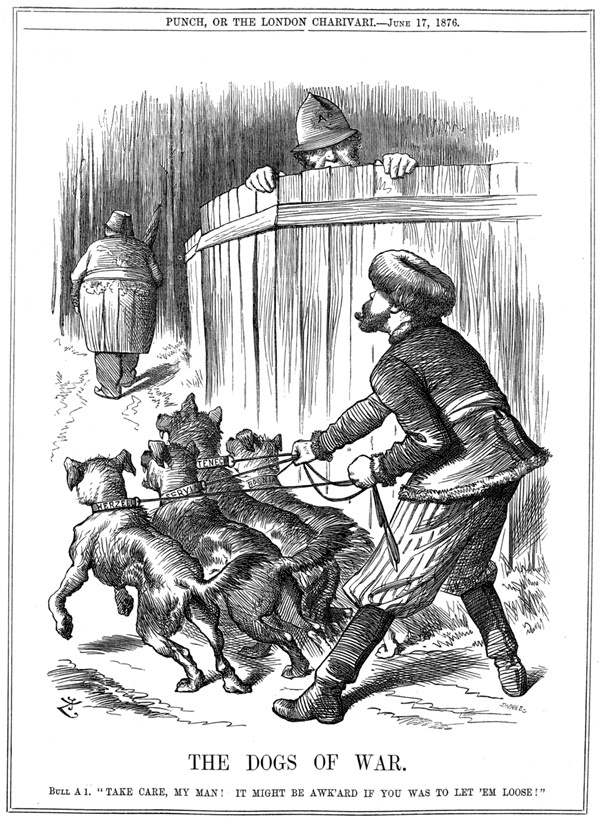
The dogs of war is a phrase spoken by Mark Antony in Act 3, Scene 1, of William Shakespeare’s play Julius Caesar: “Cry ‘Havoc!’, and let slip the dogs of war.“
 No Haiku For You