few years back began to lose the world of people I couldn’t hold on …
INVISIBLE as published in Jim Harrison: Complete Poems by Jim Harrison (Copper Canyon Press, 2021).
Within the wilder shores of sky billions of insects are migrating for reasons of sex and food, or so I’m told by science, in itself as invisible as the specters of love and death. What can I see from here but paper and the mind’s random images? A living termite was found on sticky paper at 19,000 feet. Perhaps she thought she had lost the world as I think I must, barring flora, fauna, family, dogs, the earth, the mind ground of being as it is. A few years back I began to lose the world of people. I couldn’t hold on. Rüppell’s vulture was seen at 36,000 feet for reasons the gods keep from us.
there are no obits on front page but the one am waiting for, will be …
Search the Google for the line, “There are no obits on the front page,” returns lots of sources but according to legend, this is how Franklin D. Roosevelt himself told the joke:
Every morning a well-dressed man gets off a train and, while walking down the platform, buys the morning’s newspaper from a boy who’s always standing at the same spot on the platform. And every morning the man does the exact same thing: he glances at the front page, scowls, and then hurls the paper into a nearby garbage can. After several months of this, the boy grows curious:
“Excuse me, Sir, I don’t mean to bother you, but every morning you buy a paper, but then you just throw it away after a glance at the front page. Why do you buy a paper if you’re not going to read it?”
“Young man,” the fellow says, “I buy the paper because I want to look at the obituaries.”
“But, Sir, the obituaries aren’t on the front page, they’re in section D.”
“Young man, when the SOB I’m looking for dies, it’ll be on the front page.”
It is taking me less and less time to read the morning papers.
say nothing that put momentary slight even on that great office
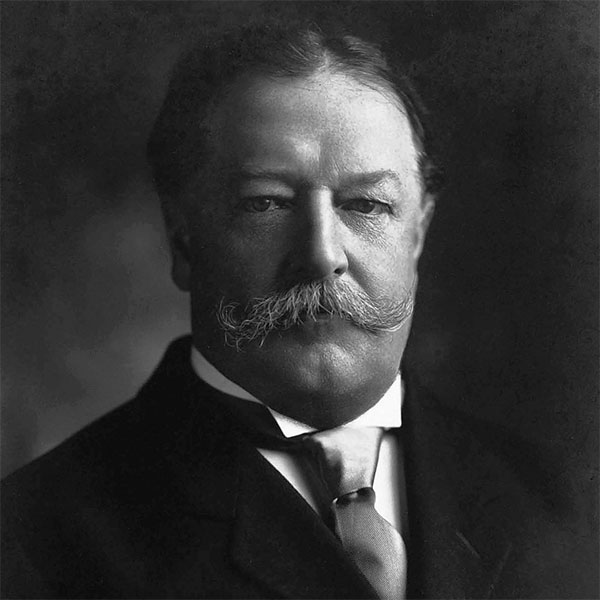
Taft had been tempted to go to New York and personally welcome Roosevelt home.
According to one report in the Indianapolis Star, his advisers had suggested that “this demonstration of amity would be appreciated by Col. Roosevelt and would do more than anything else to drive away the suspicion that seems to have gained ground that the relations between the chief executive and his predecessor are strained.”
Upon reflection, however, Taft concluded that it would diminish the status of the presidential office “if he were to ‘race down to the gangplank,’ to be the first to shake hands with the former President.”
He explained to his military aide that he was “charged with the dignity of the Executive” and was determined to “say nothing that will put a momentary slight even on that great office.”
No matter how much he would rather be Will, welcoming his friend Theodore, he was now President Taft.
“I think, moreover, that [Roosevelt] will appreciate this feeling in me,” he concluded, “and would be the first one to resent the slightest subordination of the office of President to any man.”
“Charged with the dignity of the Executive” and was determined to “say nothing that will put a momentary slight even on that great office.
Charged with the dignity of the Executive.
Say nothing that will put a momentary slight even on that great office.
Oh well.
Excerpt from The bully pulpit : Theodore Roosevelt, William Howard Taft, and the Golden Age of journalism by Doris Kearns Goodwin (Simon & Schuster, New York, 2013).
bright lights shining dots broken beams flashing dark shapes school bus crossing kids
With the time change I am driving to work in the dark again, watch the sky turn pink over the Atlantic Ocean.
Made my next to last turn into the darkness with bright lights shinning into my eyes.
There bits or red lights flashing around the halos or brighter white lights and all the lights were interrupted as dark shapes crossed in front.
It was a school bus crossing with kids crossing the street from the right to left and walking in front of the school bus.
The school had its headlights on as well as the flashing yellow caution lights as well as the red stop lights that required that I stop as the kids crossed.
Big kids, little kids and littler kids with moms holding hands.
strive to learn before we die what we are running from, and to, and why
The Shore and the Sea
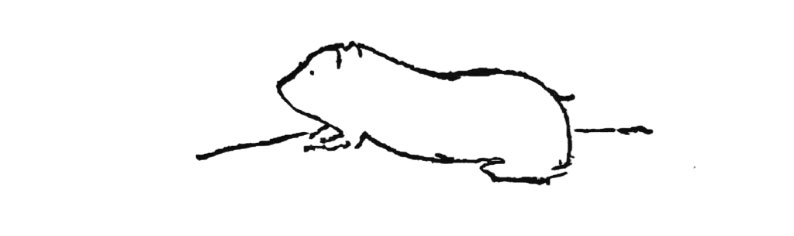
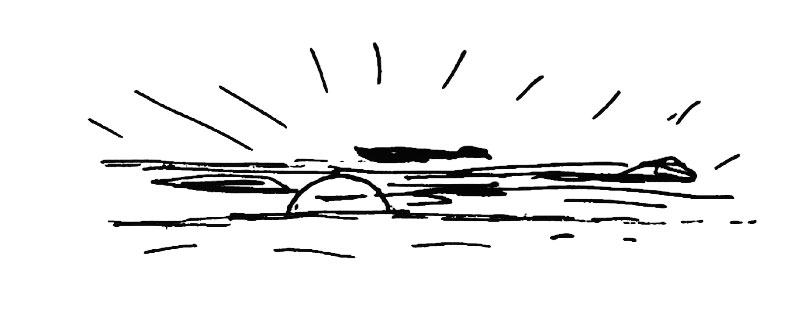
A single excited lemming started the exodus, crying, “Fire!” and running toward the sea. He may have seen the sunrise through the trees, or waked from a fiery nightmare, or struck his head against a stone, producing stars. Whatever it was, he ran and ran, and as he ran he was joined by others, a mother lemming and her young, a night watch lemming on his way home to bed, and assorted revelers and early risers.
“The world is coming to an end!” they shouted, and as the hurrying hundreds turned into thousands, the reasons for their headlong flight increased by leaps and bounds and hops and skips and jumps.
“The devil has come in a red chariot!” cried an elderly male. “The sun is his torch! The world is on fire!”
“*Tt’s a pleasure jaunt,” squeaked an elderly female.
“A what?” she was asked.
“A treasure hunt!” cried a wild-eyed male who had been up all night. “Full many a gem of purest ray serene the dark unfathomed caves of ocean bear.”
“It’s a bear!” shouted his daughter. “Go it!”
And there were those among the fleeing thousands who shouted “Goats!” and “Ghosts!” until there were almost as many different alarms as there were fugitives.
One male lemming who had lived alone for many years refused to be drawn into the stampede that swept past his cave like a flood. He saw no flames in the forest, and no devil, or bear, or goat, or ghost. He had long ago decided, since he was a serious scholar, that the caves of ocean bear no gems, but only soggy glub and great gobs of mucky gump. And so he watched the other lemmings leap into the sea and disappear beneath the waves, some crying ‘““We are saved!” and some crying “We are lost!” The scholarly lemming shook his head sorrowfully, tore up what he had written through the years about his species, and started his studies all over again.
MORAL: All men should strive to learn before they die what they are running from, and to, and why.
As published in Further Fables for Our Time by James Thurber (Hamish Hamilton Ltd, London, 1956).


 No Haiku For You