
say nothing that put
momentary slight even
on that great office
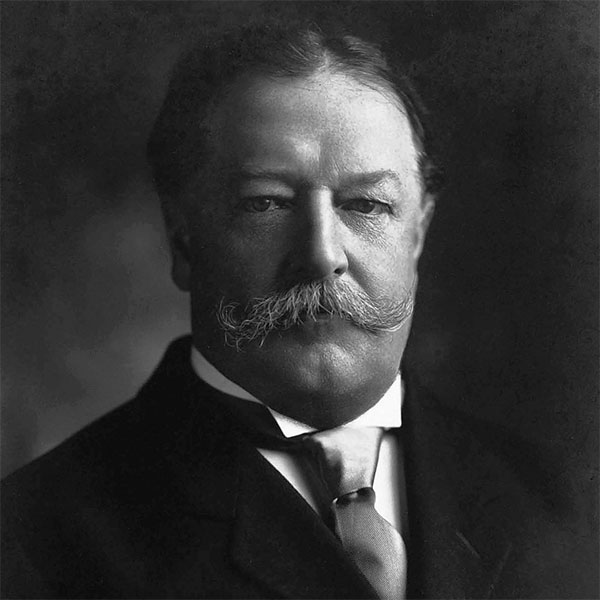
Taft had been tempted to go to New York and personally welcome Roosevelt home.
According to one report in the Indianapolis Star, his advisers had suggested that “this demonstration of amity would be appreciated by Col. Roosevelt and would do more than anything else to drive away the suspicion that seems to have gained ground that the relations between the chief executive and his predecessor are strained.”
Upon reflection, however, Taft concluded that it would diminish the status of the presidential office “if he were to ‘race down to the gangplank,’ to be the first to shake hands with the former President.”
He explained to his military aide that he was “charged with the dignity of the Executive” and was determined to “say nothing that will put a momentary slight even on that great office.”
No matter how much he would rather be Will, welcoming his friend Theodore, he was now President Taft.
“I think, moreover, that [Roosevelt] will appreciate this feeling in me,” he concluded, “and would be the first one to resent the slightest subordination of the office of President to any man.”
“Charged with the dignity of the Executive” and was determined to “say nothing that will put a momentary slight even on that great office.
Charged with the dignity of the Executive.
Say nothing that will put a momentary slight even on that great office.
Oh well.
Excerpt from The bully pulpit : Theodore Roosevelt, William Howard Taft, and the Golden Age of journalism by Doris Kearns Goodwin (Simon & Schuster, New York, 2013).
 No Haiku For You