
quae volumus et
credimus libenter – we …
believe what we want
Quae volumus, et credimus libenter.
The things we want we are also quick to believe.
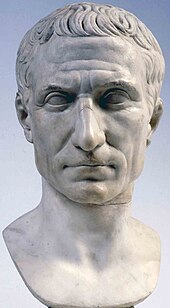
The full form of the saying in Caesar is Quae volumus et credimus libenter, et quae sentimus ipsi, reliquos sentire speramus, “The things we want, we are also quick to believe, and what we ourselves perceive, we hope that others feel too.”
So wrote Julius Ceasar in his book, Commentaries on the Civil War.
According to Wikipedia, Commentarii de Bello Civili (Commentaries on the Civil War), or Bellum Civile, is an account written by Julius Caesar of his war against Gnaeus Pompeius and the Roman Senate. It consists of three books covering the events of 49–48 BC, from shortly before Caesar’s invasion of Italy to Pompey’s defeat at the Battle of Pharsalus and flight to Egypt.
50 years or so before Christ plus the 2024 years since.
Almost 2100 years ago.
The things we want we are also quick to believe.
Either Julius Caesar would have fit right in today.
Or our current system of elections would have fit right in, 2100 years ago.
Here is the full except:
Proxima nocte centuriones Marsi duo ex castris Curionis cum manipularibus suis xxil ad AttiumVarum perfugiunt. Hi, sive vere quam habuerantopinionem ad eum perferunt, sive etiam auribus Variserviunt (nam, quae volumus, et credimus libenteret, quae sentimus ipsi, reliquos sentire speramus), confirmant quidem certe totius exercitus animosalienos esse a Curione maximeque opus esse in con-spectum exercitus venire et colloquendi dare facultatem. Qua opinione adductus Varus postero diemane legiones ex castris educit. Facit idem Curio,atque una valle non magna interiecta suas uterquecopias instruit.
In English:
On the following night two Marsic centurions from Curio’s camp, with twenty-two of their men, desert to Attius Varus. Whether they convey to him the opinion that they really held, or whether they only flatter his ears for what we desire we gladly believe, and what we ourselves feel we hope that others feel too at any rate they assure him that the hearts of the whole army are estranged from Curio, and that it is highly necessary that he should come within sight of the army and afford an opportunity of conference. Varus, influenced by this judgment, leads his legions out of camp early the next day. Curio does the same, and each draws up his forces with only one small valley between them.
As you can see, in the Loeb Classic Edition of 1917, it comes out as:
for what we desire we gladly believe, and what we ourselves feel we hope that others feel too …
quae volumus, et credimus libenteret, quae sentimus ipsi, reliquos sentire speramus …
For what we desire we gladly believe.
I don’t want to point to just one candidate in this current election cycle but those words, for what we desire we gladly believe, helps me understand his his following.
 No Haiku For You