
yet once, ages ago,
they had been everywhere and
had seen everything
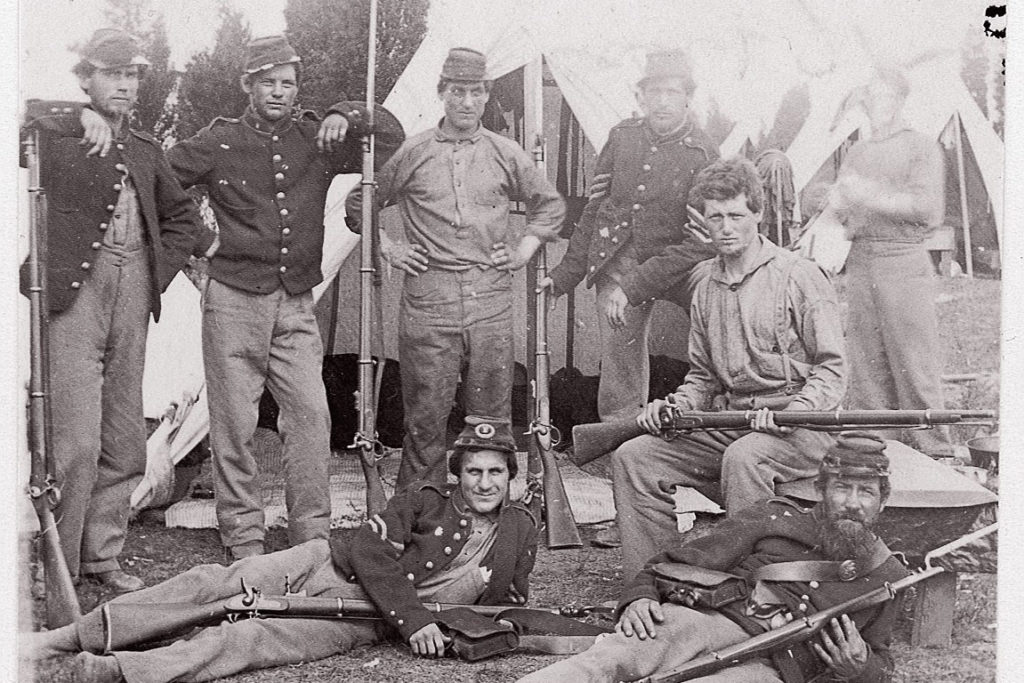
The books which make up this trilogy began, very simply, as an attempt to understand the men who fought in the Army of the Potomac. As a small boy I had known a number of these men in their old age; they were grave, dignified, and thoughtful, with long white beards and a general air of being pillars of the community. They lived in rural Michigan in the pre-automobile age, and for the most part they had never been fifty miles away from the farm or the dusty village streets; yet once, ages ago, they had been everywhere and had seen everything, and nothing that happened to them thereafter meant anything much. All that was real had taken place when they were young; everything after that had simply been a process of waiting for death, which did not frighten them much—they had seen it inflicted in the worst possible way on boys who had not bargained for it, and they had enough of the old-fashioned religion to believe without any question that when they passed over they would simply be rejoining men and ways of living which they had known long ago.
Yet, in an odd way, the old veterans did leave one correct impression: the notion that as young men they had been caught up by something ever so much larger than themselves and that the war in which they fought did settle something for us—or, incredibly, started something which we ourselves have got to finish. It was not only the biggest experience in their own lives; it was in a way the biggest experience in our life as a nation, and it deserves all of the study it is getting.
From the preface to Mr. Lincoln’s Army, Book One of the Army of Potomac Trilogy by Bruce Catton, (Doubleday, Garden City, NY, 1962).
They lived in rural Michigan in the pre-automobile age, and for the most part they had never been fifty miles away from the farm or the dusty village streets;
yet once, ages ago, they had been everywhere and had seen everything, and nothing that happened to them thereafter meant anything much.
All that was real had taken place when they were young;
everything after that had simply been a process of waiting for death, which did not frighten them much —
they had seen it inflicted in the worst possible way on boys who had not bargained for it,
It was not only the biggest experience in their own lives; it was in a way the biggest experience in our life as a nation.
I am reminded of what Big Bill wrote in his play, Henry V.
And gentlemen in England now a-bed
Shall think themselves accursed they were not here,
And hold their manhoods cheap whiles any speaks
That fought with us upon Saint Crispin’s day.
In remembrance of Mr. Abraham Lincoln who died on April 15th, 1865.
 No Haiku For You