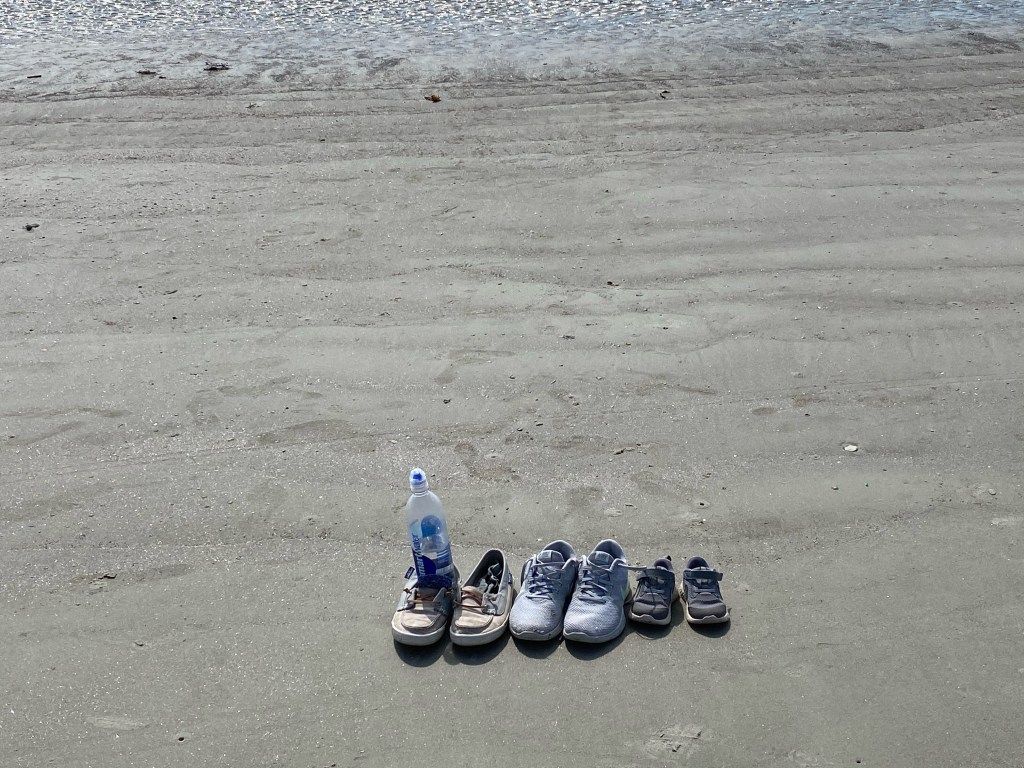
4.30.2021 – psychological

psychological
physical sanctuary
they remembered there

Adapted from the book, The Architecture of Happiness (2009, Vintage Books) by Alain de Botton, and the passage:

The house has grown into a knowledgeable witness. It has been party to early seductions, it has watched homework being written, it has observed swaddled babies freshly arrived from hospital, it has been surprised in the middle of the night by whispered conferences in the kitchen. It has experienced winter evenings when its windows were as cold as bags of frozen peas and midsummer dusks when its brick walls held the warmth of newly baked bread.

It has provided not only physical but also psychological sanctuary. It has been a guardian of identity. Over the years, its owners have returned from periods away and, on looking around them, remembered who they were.

According the The New York Review of Books, this is “A perceptive, thoughtful, original, and richly illustrated exercise in the dramatic personification of buildings of all sorts.”

What I find irrestible in reading Mr. de Botton is his use of language.

I get the feeling that if you made a spread sheet of all the words, adverbs and adjectives used by Mr. de Botton, you just might find that he used each word just once.

Neat trick in writing a book.

If I knew how to do that, I would.

4.29.2021 – root cause of anger

root cause of anger
is hope angry because we
are optimistic

Adapted from the book, A Week at the Airport: A Heathrow Diary (2009, Vintage Books) by Alain de Botton, and the passage:

I was reminded of the Roman philosopher Seneca’s treatise On Anger, written for the benefit of the Emperor Nero, and in particular of its thesis that the root cause of anger is hope. We are angry because we are overly optimistic, insuficiently prepared for the frustrations endemic to existence. A man who screams every time he loses his keys or is turned away at an airport is evincing a touching but recklessly naïve belief in a world in which keys never go astray and our travel plans are invariably assured.

Given Seneca’s analysis, it was ominous to note the direction that the airline was taking in its advertising. It was promising ever more confidently to try its very best to serve, to please and to be punctual.

As a result, in an industry as vulnerable to disaster as this one, there were surely many more screams to come.

Part of the series of Haiku inspired by from A Week at the Airport: A Heathrow Diary (2009, Vintage Books) by Alain de Botton. I discovered this book entirely by accident. When searching for books online, I will use the term ‘collections’ and see what turns up. I figure that someone who has taken the time to gather together the etexts of any one author to create a collected works folder is enough for me to see what this author might be all about.

In this case I came across the writing of Alain de Botton. I enjoyed his use of language very much. Much of the words he strings together lend themselves to what I do.

As for his book, I recommend it very much though written in 2009, it misses the added layer of travel under covid but still the picture of the modern airport is worth the read.

4.28.2021 – still have such trouble?

still have such trouble?
how to tolerate ourselves,
forgive, apologize

Adapted from the book, A Week at the Airport: A Heathrow Diary (2009, Vintage Books) by Alain de Botton, and the passage:

At the beginning of human history, as we struggled to light fires and to chisel fallen trees into rudimentary canoes, who could have predicted that long after we had managed to send men to the moon and aeroplanes to Australasia, we would still have such trouble knowing how to tolerate ourselves, forgive our loved ones and apologize for our tantrums?

Part of the series of Haiku inspired by from A Week at the Airport: A Heathrow Diary (2009, Vintage Books) by Alain de Botton. I discovered this book entirely by accident. When searching for books online, I will use the term ‘collections’ and see what turns up. I figure that someone who has taken the time to gather together the etexts of any one author to create a collected works folder is enough for me to see what this author might be all about.

In this case I came across the writing of Alain de Botton. I enjoyed his use of language very much. Much of the words he strings together lend themselves to what I do.

As for his book, I recommend it very much though written in 2009, it misses the added layer of travel under covid but still the picture of the modern airport is worth the read.

4.27.2021- kids fascination

kids fascination
inhibitionless we watch
fascinating kids

Part of a series based on an afternoon spent at the beach on Hilton Head Island.

I wanted to see if I would be ‘inspired’ by what I saw, by what I heard, by what I smelled, by what I tasted, what I felt emotionally and what I felt tactilely.

Some turned out okay.

Some were too forced.

Some were just bad.

Some did involve some or all of those feelings.

As far as it goes, I guess I was inspired by by what I saw, by what I heard, by what I smelled, by what I tasted, what I felt emotionally and what I felt tactilely.

Click here for more Haiku in the BEACH category —

4.26.2021 – footprint memories

footprint memories
imprinted into the sand
renewed every day

Part of a series based on an afternoon spent at the beach on Hilton Head Island.

I wanted to see if I would be ‘inspired’ by what I saw, by what I heard, by what I smelled, by what I tasted, what I felt emotionally and what I felt tactilely.

Some turned out okay.

Some were too forced.

Some were just bad.

Some did involve some or all of those feelings.

As far as it goes, I guess I was inspired by by what I saw, by what I heard, by what I smelled, by what I tasted, what I felt emotionally and what I felt tactilely.

Click here for more Haiku in the BEACH category —