The Better Angels Of our Nature, shine brightly that blind may see them
Where to look for hope?
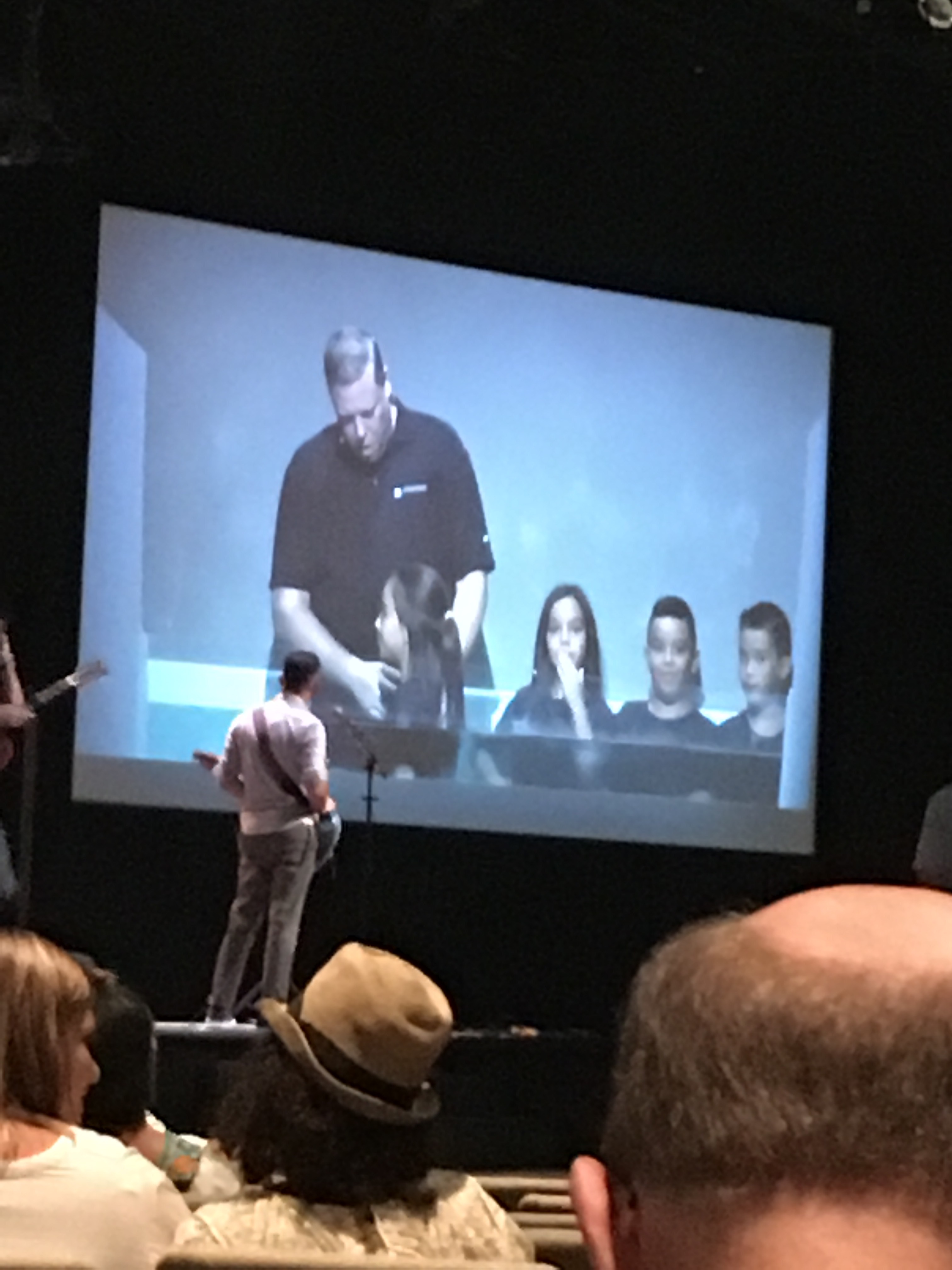
After writing this Blog Post, the Cortes’ Quadruplets were baptized together this morning at Cross Pointe Church in Duluth, GA – Could not have asked for a better example of the Better Angels of Our Nature …
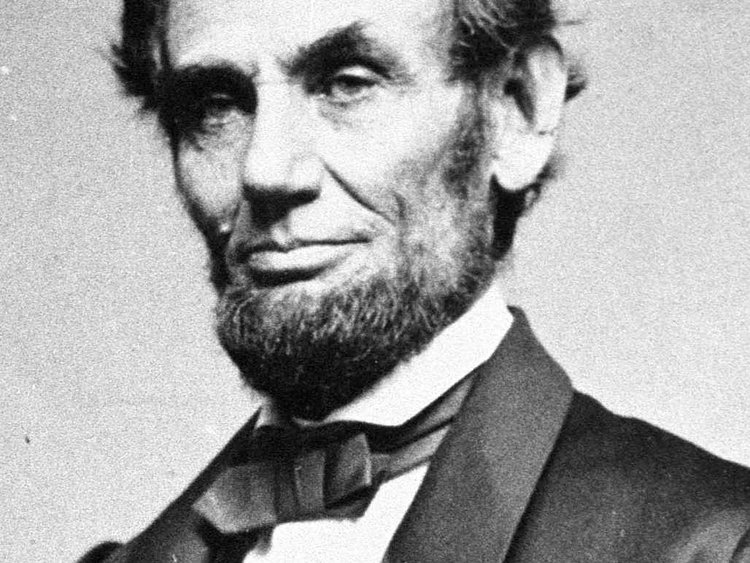
A thought inspired perhaps by Mr. Lincoln.
How do we undo the damage Trump has done? Instead of writing off the 40% which still seems to be mesmerized by his racist theater, Wise has a better idea. He believes that when most people are confronted with their subconscious biases, if they are “encouraged to respond to the better angels of their nature, they will do it.
“It’s when you don’t let them believe that they have better angels; if you make it seem like, ‘You’re just a horrible, irredeemable human being,’ they will show you just how horrible and irredeemable they are. The research tells us … that most white folks don’t want to think of themselves as racist, and don’t want to be racist.” From a review by Charles Kaiser of The Man Who Sold America by Joy-Ann Reid
The phrase, Better Angels, maybe comes to us from Charles Dickens’ Barnaby Rudge, “It is curious to imagine these people of the world, busy in thought, turning their eyes towards the countless spheres that shine above us, and making them reflect the only images their minds contain…So do the shadows of our own desires stand between us and our better angels, and thus their brightness is eclipsed” though Abraham Lincoln’s 1st Inaugural Address, I am loath to close. We are not enemies, but friends. We must not be enemies. Though passion may have strained it must not break our bonds of affection. The mystic chords of memory, stretching from every battlefield and patriot grave to every living heart and hearthstone all over this broad land, will yet swell the chorus of the Union, when again touched, as surely they will be, by the better angels of our nature. “
In 1861, before his inauguration, Lincoln showed a draft of what he intended to say to William Seward, his Secretary of State. Seward recommended that Lincoln conclude with conciliatory words, and sketched out a few sentences for Lincoln to consider.
Seward’s rough draft, which has been preserved, contains the expression “better angel.” Twenty years earlier, in 1841, Charles Dickens had used “our better angels” in his novel “Barnaby Rudge.” There is no evidence that Lincoln read Dickens, but Seward did.
Lincoln read Seward’s rough draft in which Seward had scratched out the words”better angel” and substituted in their place “guardian angel of the nation.” Lincoln then turned Seward’s discarded two words into the memorable expression “better angels of our nature.” (from A Lincoln Quotation You Can Use In Writing: Charles Dickens and Abraham Lincoln by Gene Griessman, Ph.D)
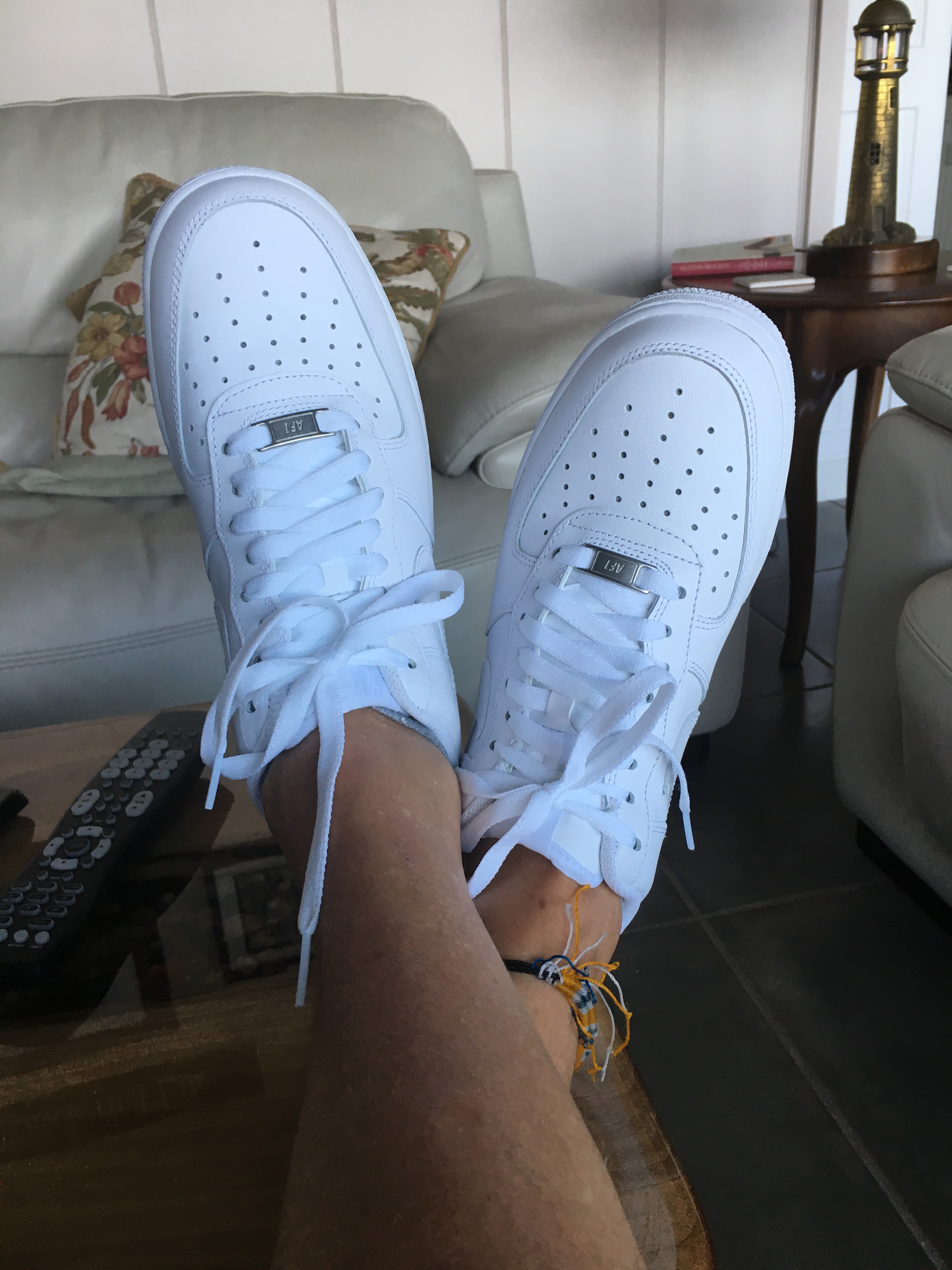
New Birthday Sneakers! Magic in new shoes, Gazelles! Softly, secretly
I got the wonderful gift of a new pair of sneakers for my birthday from my wife.
Magic is in a new pair of shoes.
I turned 59.
I still feel the magic in a new pair of sneakers.
Nowhere is this better described then in some of the best writing this side of Mark Twain by Ray Bradbury.
From Dandelion Wine by Ray Bradbury
Late that night, going home from the show with his mother and father and his brother
Tom, Douglas saw the tennis shoes in the bright store window. He glanced quickly away,
but his ankles were seized, his feet suspended, then rushed. The earth spun; the shop
awnings slammed their canvas wings overhead with the thrust of his body running. His
mother and father and brother walked quietly on both sides of him. Douglas walked
backward, watching the tennis shoes in the midnight window left behind.
“It was a nice movie,” said Mother.
Douglas murmured, “It was . . .”
It was June and long past time for buying the special shoes that were quiet as a
summer rain falling on the walks. June and the earth full of raw power and everything
everywhere in motion. The grass was still pouring in from the country, surrounding the
sidewalks, stranding the houses. Any moment the town would capsize, go down and
leave not a stir in the clover and weeds. And here Douglas stood, trapped on the dead
cement and the red-brick streets, hardly able to move.
“Dad!” He blurted it out. “Back there in that window, those Cream-Sponge Para
Litefoot Shoes …”
His father didn’t even turn. “Suppose you tell me why you need a new pair of
sneakers. Can you do that?”
“Well . . .”
It was because they felt the way it feels every summer when you take off your shoes
for the first time and run in the grass. They felt like it feels sticking your feet out of the
hot covers in wintertime to let the cold wind from the open window blow on them
suddenly and you let them stay out a long time until you pull them back in under the
covers again to feel them, like packed snow. The tennis shoes felt like it always feels the
first time every year wading in the slow waters of the creek and seeing your feet below,
half an inch further downstream, with refraction, than the real part of you above water.
“Dad,” said Douglas, “it’s hard to explain.”
Somehow the people who made tennis shoes knew what boys needed and wanted.
They put marshmallows and coiled springs in the soles and they wove the rest out of
grasses bleached and fired in the wilderness. Somewhere deep in the soft loam of the
shoes the thin hard sinews of the buck deer were hidden. The people that made the
shoes must have watched a lot of winds blow the trees and a lot of rivers going down to
the lakes. Whatever it was, it was in the shoes, and it was summer.
Douglas tried to get all this in words.
“Yes,” said Father, “but what’s wrong with last year’s sneakers? Why can’t you dig
them out of the closet?”
Well, he felt sorry for boys who lived in California where they wore tennis shoes all year and never knew what it was to get winter off your feet, peel off the iron leather shoes all full of snow and rain and run barefoot for a day and then lace on the first new tennis shoes of the season, which was better than barefoot. The magic was always in the new pair of shoes. The magic might die by the first of September, but now in late June there was still plenty of magic, and shoes like these could jump you over trees and rivers and houses. And if you wanted, they could jump you over fences and sidewalks and dogs.
“Don’t you see?” said Douglas. “I just can’t use last year’s pair.”
For last year’s pair were dead inside. They had been fine when he started them out,
last year. But by the end of summer, every year, you always found out, you always
knew, you couldn’t really jump over rivers and trees and houses in them, and they were
dead. But this was a new year, and he felt that this time, with this new pair of shoes, he
could do anything, anything at all.
They walked up on the steps to their house. “Save your money,” said Dad. “In five or
six weeks—”
“Summer’ll be over!”
Lights out, with Tom asleep, Douglas lay watching his feet, far away down there at the
end of the bed in the moonlight, free of the heavy iron shoes, the big chunks of winter
fallen away from them.
“Reasons. I’ve got to think of reasons for the shoes.”
Well, as anyone knew, the hills around town were wild with friends putting cows to
riot, playing barometer to the atmospheric changes, taking sun, peeling like calendars
each day to take more sun. To catch those friends, you must run much faster than foxes
or squirrels. As for the town, it steamed with enemies grown irritable with heat, so
remembering every winter argument and insult. Find friends, ditch enemies! That was
the Cream-Sponge Para Litefoot motto. Does the world run too fast? Want to catch up?
Want to be alert, stay alert? Litefoot, then! Litefoot!”
He held his coin bank up and heard the faint small tinkling, the airy weight of money
there.
Whatever you want, he thought, you got to make your own way. During the night
now, let’s find that path through the forest . . .
Downtown, the store lights went out, one by one. A wind blew in the window. It was
like a river going downstream and his feet wanting to go with it.
In his dreams he heard a rabbit running running running in the deep warm grass.
Old Mr. Sanderson moved through his shoe store as the proprietor of a pet shop must move through his shop where are kenneled animals from everywhere in the world, touching each one briefly along the way. Mr. Sanderson brushed his hands over the shoes in the window, and some of them were like cats to him and some were like dogs; he touched each pair with concern, adjusting laces, fixing tongues. Then he stood in the exact center of the carpet and looked around, nodding.
There was a sound of growing thunder.
One moment, the door to Sanderson’s Shoe Emporium was empty. The next, Douglas Spaulding stood clumsily there, staring down at his leather shoes as if these heavy things could not be pulled up out of the cement. The thunder had stopped when his shoes stopped. Now, with painful slowness, daring to look only at the money in his cupped hand, Douglas moved out of the bright sunlight of Saturday noon. He made careful stacks of nickels, dimes, and quarters on the counter, like someone playing chess and worried if the next move carried him out into sun or deep into shadow.
“Don’t say a word!” said Mr. Sanderson.
Douglas froze.
“First, I know just what you want to buy,” said Mr. Sanderson. “Second, I see you
every afternoon at my window; you think I don’t see? You’re wrong. Third, to give it its
full name, you want the Royal Crown Cream-Sponge Para Litefoot Tennis Shoes: ‘LIKE
MENTHOL ON YOUR FEET!’ Fourth, you want credit.”
“No!” cried Douglas, breathing hard, as if he’d run all night in his dreams. “I got something better than credit to offer!” he gasped. “Before I tell, Mr. Sanderson, you got to do me one small favor. Can you remember when was the last time you yourself wore a pair of Litefoot sneakers, sir?”
Mr. Sanderson’s face darkened. “Oh, ten, twenty, say, thirty years ago. Why . . . ?”
“Mr. Sanderson, don’t you think you owe it to your customers, sir, to at least try the
tennis shoes you sell, for just one minute, so you know how they feel? People forget if
they don’t keep testing things. United Cigar Store man smokes cigars, don’t he? Candy-
store man samples his own stuff, I should think. So . . .”
“You may have noticed,” said the old man, “I’m wearing shoes.”
“But not sneakers, sir! How you going to sell sneakers unless you can rave about them
and how you going to rave about them unless you know them?”
Mr. Sanderson backed off a little distance from the boy’s fever, one hand to his chin.
“Well …”
“Mr. Sanderson,” said Douglas, “you sell me something and I’ll sell you something just
as valuable.”
“Is it absolutely necessary to the sale that I put on a pair of the sneakers, boy?” said
the old man.
“I sure wish you could, sir!”
The old man sighed. A minute later, seated panting quietly, he laced the tennis shoes to his long narrow feet. They looked detached and alien down there next to the dark cuffs of his business suit.
Mr. Sanderson stood up.
“How do they feel?” asked the boy.
“How do they feel, he asks; they feel fine.” He started to sit down.
“Please!” Douglas held out his hand. “Mr. Sanderson, now could you kind of rock back and forth a little, sponge around, bounce kind of, while I tell you the rest? It’s this: I give you my money, you give me the shoes, I owe you a dollar. But, Mr. Sanderson, but-
soon as I get those shoes on, you know what happens?”
“What?”
“Bang! I deliver your packages, pick up packages, bring you coffee, bum your trash, run to the post office, telegraph office, library! You’ll see twelve of me in and out, in and out, every minute. Feel those shoes, Mr. Sanderson, feel how fast they’d take me? All those springs inside? Feel all the running inside? Feel how they kind of grab hold and can’t let you alone and don’t like you just standing there? Feel how quick I’d be doing the things you’d rather not bother with? You stay in the nice cool store while I’m jumping all around town! But it’s not me really, it’s the shoes. They’re going like mad down alleys, cutting corners, and back! There they go!”
Mr. Sanderson stood amazed with the rush of words. When the words got going the man at last, “in five years, how would you like a job selling shoes in this emporium?”
“Gosh, thanks, Mr. Sanderson, but I don’t know what I’m going to be yet.”
“Anything you want to be, son,” said the old man, “you’ll be. No one will ever stop
you.”
The old man walked lightly across the store to the wall of ten thousand boxes, came
back with some shoes for the boy, and wrote up a list on some paper while the boy was
lacing the shoes on his feet and then standing there, waiting.
The old man held out his list. “A dozen things you got to do for me this afternoon.
Finish them, we’re even Stephen, and you’re fired.”
“Thanks, Mr. Sanderson!” Douglas bounded away.
“Stop!” cried the old man.
Douglas pulled up and turned.
Mr. Sanderson leaned forward.
“How do they feel?” The boy looked down at his feet deep in the rivers, in the fields of wheat, in the wind that already was rushing him out of the town. He looked up at the old man, his eyes burning, his mouth moving, but no sound came out.
“Antelopes?” said the old man, looking from the boy’s face to his shoes. “Gazelles?”
The boy thought about it, hesitated, and nodded a quick nod. Almost immediately he
vanished. He just spun about with a whisper and went off. The door stood empty. The
sound of the tennis shoes faded in the jungle heat.
Mr. Sanderson stood in the sun-blazed door, listening. From a long time ago, when he
dreamed as a boy, he remembered the sound. Beautiful creatures leaping under the sky,
gone through brush, under trees, away, and only the soft echo of their running left
behind.
“Antelopes,” said Mr. Sanderson. “Gazelles.”
He bent to pick up the boy’s abandoned winter shoes, heavy with forgotten rains and
long-melted snows. Moving out of the blazing sun, walking softly, lightly, slowly, he
headed back toward civilization . . .
I told someone that you can the boy out of the lake but you cannot take the lake out of the boy.
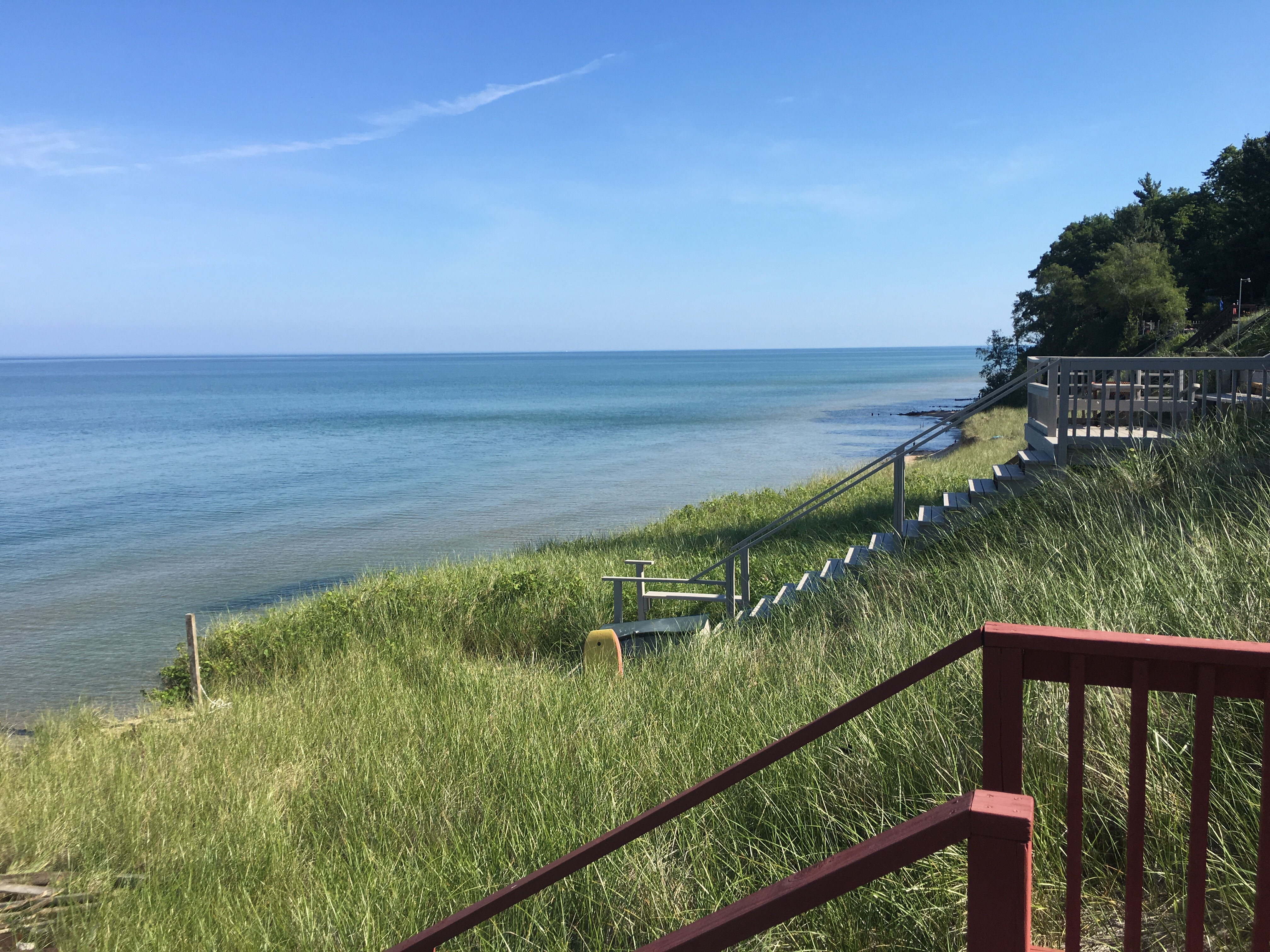
I was able to spend a couple of days along Michigan’s West Coast, the East Coast of Lake Michigan.
The smells.
The sounds.
The feel of the water, the sand and the air.
I could have been 10 years old, 59 years old or any age in between.
The long blue edge of summer.
Back in the day, 1982 to be precise, my Mom bought a vacation guide to the shorelines of Michigan.
Since we lived on the shore of Lake Michigan, just south of Grand Haven, in the Summertime, I had to ask why she thought we need a guidebook.
That is where that line comes from in today’s Haiku.
“I don’t know,” said my Mom, “I just liked the title, The long blue edge of summer.”
The last line is from Sailing to Byzantium by William Butler Yeats
That is no country for old men. The young
In one another’s arms, birds in the trees,
—Those dying generations—at their song,
The salmon-falls, the mackerel-crowded seas,
Fish, flesh, or fowl, commend all summer long
Whatever is begotten, born, and dies.
Caught in that sensual music all neglect
Monuments of unageing intellect.
II
An aged man is but a paltry thing, A tattered coat upon a stick, unless Soul clap its hands and sing, and louder sing For every tatter in its mortal dress, Nor is there singing school but studying Monuments of its own magnificence; And therefore I have sailed the seas and come To the holy city of Byzantium.
III
O sages standing in God’s holy fire
As in the gold mosaic of a wall,
Come from the holy fire, perne in a gyre,
And be the singing-masters of my soul.
Consume my heart away; sick with desire
And fastened to a dying animal
It knows not what it is; and gather me
Into the artifice of eternity.
IV
Once out of nature I shall never take My bodily form from any natural thing, But such a form as Grecian goldsmiths make Of hammered gold and gold enamelling To keep a drowsy Emperor awake; Or set upon a golden bough to sing To lords and ladies of Byzantium Of what is past, or passing, or to come.
But then again, it is really not from Sailing to Byzantium.
Soul clap its hands and sing is a re-occurring theme throughout the writings of Jim Harrison which is where I first read it.
It shows up in several of Harrison’s writings along the lines of this passage from The Road Home.
The question, of course, is how you make your soul clap its hand and sing. My bones seemed to be built out of incomprehension.
All I can say is that I stood on the edge of Lake Michigan, along the long blue edge of summer, with my feet in the water and my soul clapped its hands and sang.
Usually the title of each day’s haiku is the first line.
But for the Landmark Bookstore Haiku Contest, the submissions needed a title so for this one I decided on, Once More to the Lake, which allows me to get in another EB White tribute.



 No Haiku For You